

Diaper Complaint Investigation and CAPA Guide | Welldone

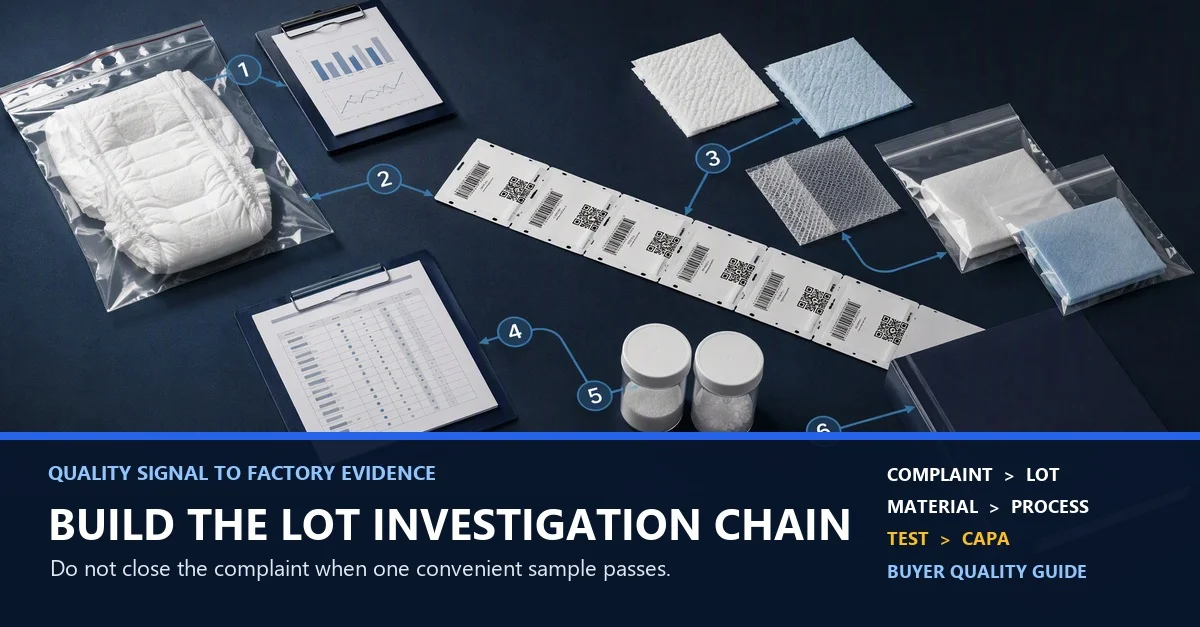
When Diaper Complaints Rise: Build a Lot Investigation Chain
The quality manager opens Monday's complaint file and sees the same pattern from different locations. The warehouse sample looks normal. A laboratory result is negative. Production wants the lot released.
But nobody can connect the affected retail pack to the exact production window, material rolls, recipe version, retained sample and reject history. The factory has test results. It does not yet have an investigation.
A concentrated complaint signal is not the same as a proven defect
On October 22, 2026, Consumer Reports called for Millie Moon to recall its diapers and advised parents to stop using them while the cause of reported skin reactions is investigated. Consumer Reports said its review of the CPSC public database found more than 600 incident reports involving the diapers in 2026.
The same Consumer Reports investigation states an essential boundary: the number and similarity of reports are a meaningful safety signal, but they do not prove that the diapers caused each reaction. More complete case information, product-lot details, tests and comparisons across batches, sizes and product versions would be needed.
Source & Date
Primary: Consumer Reports advocacy press release, October 22, 2026
Secondary: Consumer Reports investigation, published October 16 and updated October 22, 2026
Government database: CPSC SaferProducts.gov public search
Retail recall page read: Target product recalls, read October 26, 2026
Primary: Consumer Reports advocacy press release, October 22, 2026
Secondary: Consumer Reports investigation, published October 16 and updated October 22, 2026
Government database: CPSC SaferProducts.gov public search
Retail recall page read: Target product recalls, read October 26, 2026
News Data Conflict Found: preserve both sides of the evidence
Consumer Reports argues that the volume and severity of reports justify a recall request and stop-use recommendation. It reports that the CPSC is aware of the complaints but cannot comment on active or potential investigations.
Millie Moon told Consumer Reports that it had not changed diaper materials, suppliers or construction. The company said its production-record review and independent U.S. laboratory tests found no contamination, unexpected substances, manufacturing defects or product-performance issues in the samples tested.
Fact boundary: This article does not assign a cause, declare a manufacturing defect or describe an official recall. “Consumer Reports called for a recall” is not rewritten as “the product was recalled.” A negative result also applies only to the samples, methods and hypotheses included in the test scope.
The real question is whether the factory can explain which evidence supports or excludes each possible cause. A disagreement becomes manageable when every claim points to a sample identity, production lot, material genealogy, method and decision owner.
Start with a complaint record that can reach the factory floor
A complaint narrative such as “severe rash after a new box” describes the event but does not yet locate the product inside the manufacturing system. The first task is to preserve the pack, product, lot code and use history without interpreting the cause.
Build the intake form around fields investigators can compare: product and size, retail pack identity, purchase location, visible codes, first-use timing, number of pieces used, prior use of the same product, other products in contact with the skin, photographs, medical information provided voluntarily, remaining pieces and permission to collect the product.
Privacy boundary: Collect only information required for the investigation, control access and retention, and follow the applicable privacy and regulatory process. This article does not prescribe a legal or medical reporting form.
A common mistake is to reduce every complaint to a symptom category. The symptom matters, but the factory cannot investigate without the physical product and its identity.
Contain the smallest defensible lot—then widen it when evidence requires
Containment should begin with the narrowest traceable boundary that covers the affected products: finished-goods lot, production time window, line, size/SKU, packaging run and linked material lots. If those identifiers are missing or inconsistent, the safe boundary may have to widen.
Do not hold every product indefinitely by default, and do not release adjacent production because one retained sample passed. Set a documented review gate: what is held, why it is held, who may release it and what evidence would widen or narrow the scope.
| Containment field | Minimum evidence | Decision use | Red flag |
|---|---|---|---|
| Retail pack identity | Photos, pack code, purchase channel and remaining product | Connect complaint to finished-goods record | Only a product name is available |
| Finished-goods lot | Line, date/time window, shift, SKU and packaging run | Define initial hold boundary | Lot code maps to several uncontrolled formats |
| Adjacent production | Shared materials, recipe, cleaning state and process events | Widen or narrow the hold | Release based only on calendar proximity |
| Distribution | Inventory, shipment, customer and market destinations | Locate affected stock | Pack codes are lost after repacking |
Build material genealogy before naming a material cause
A diaper combines nonwovens, absorbent materials, film, elastics, adhesives, tapes and printed or packaging components. The investigation must identify which supplier lots entered the affected production window and where else those lots were used.
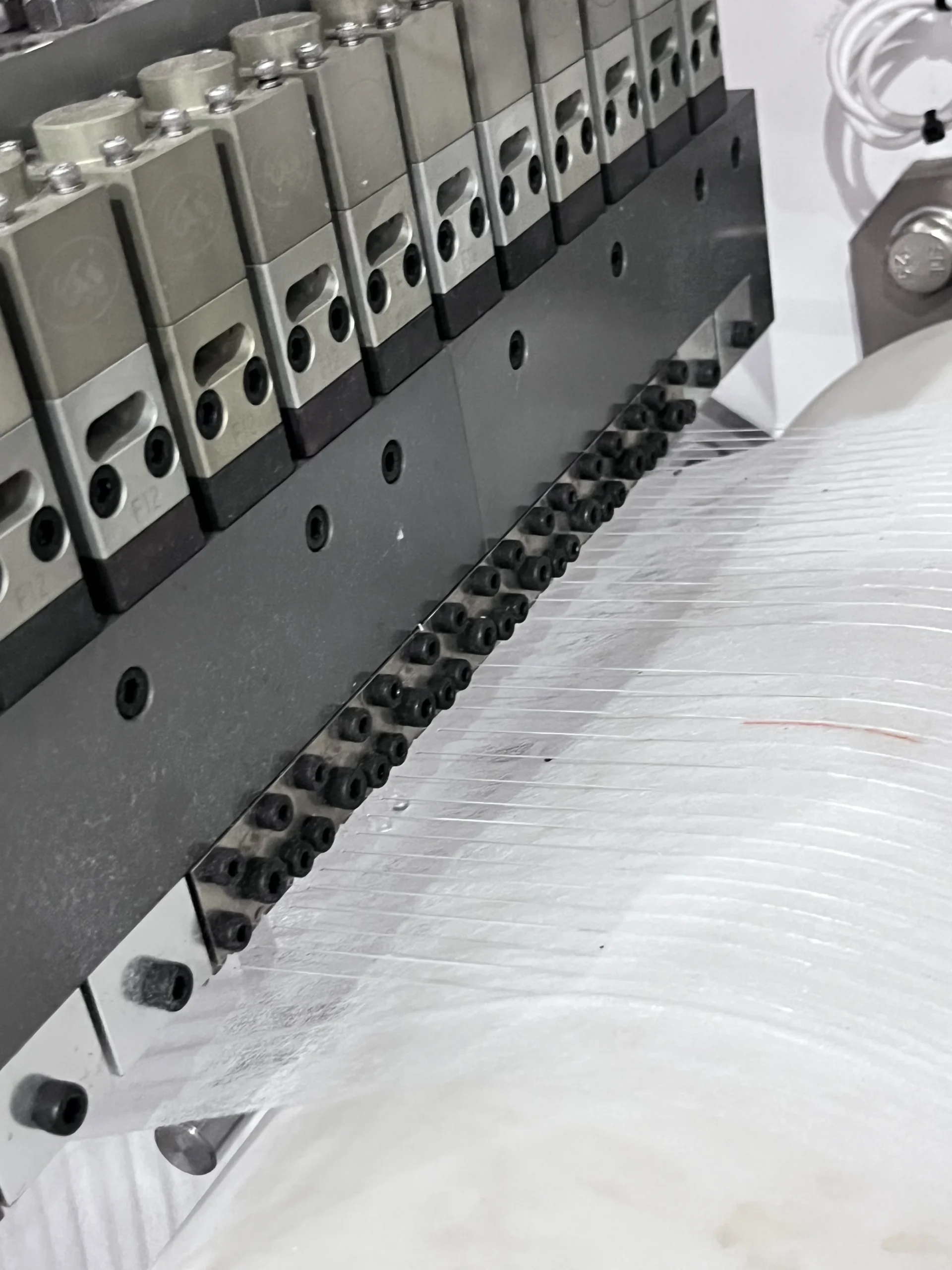
Map supplier lot to incoming inspection, warehouse release, line issue, roll change, splice, machine time and finished-goods lot. Then compare unaffected production that used the same material lot and affected production that used a different lot.
This is not proof by association. It is a way to design discriminating comparisons. If one material lot appears in both affected and unaffected production, the team should examine exposure, process state and other interacting variables before excluding or blaming it.
Process records must preserve the conditions around the product
Ingredient or material identity alone does not describe how the finished diaper behaved. Recipe settings, dosing records, web tension, adhesive state, stop/restart events, alarms, cleaning, changeover and environmental conditions may define the actual exposure of a production window.
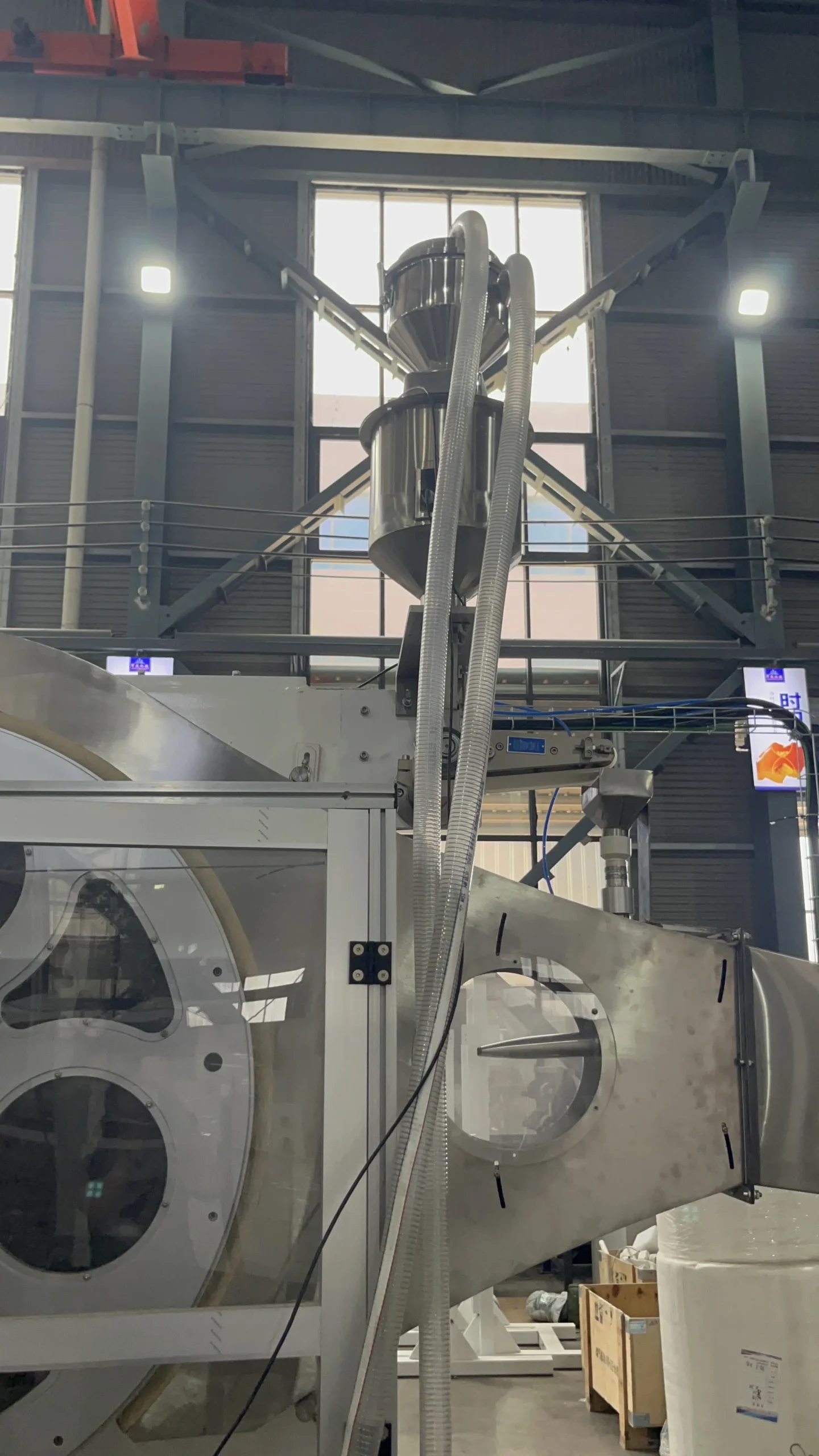
For every suspect lot, retrieve the approved recipe version and actual events. Record deviations without deciding whether they are causal. A brief alarm or roll change can be important because it creates a comparison window, not because it automatically explains the complaint.
In most cases, the investigation becomes stronger when it includes a matched unaffected window from the same line and SKU. The difference between the two windows often tells the team which hypothesis deserves testing next.
Use a sample matrix—not one convenient warehouse pack
A laboratory can return a technically correct result for the wrong sample. The sample matrix should distinguish returned complaint product, unopened product from the same retail pack, retained finished product from the same production lot, adjacent lots, relevant material retains and current warehouse inventory.
Each sample needs chain-of-custody identity, storage history and a reason for inclusion. Testing an unrelated current lot may answer whether the current product meets a specification. It may not answer what happened in the reported pack.
| Sample group | Question answered | Comparison needed | Limit |
|---|---|---|---|
| Returned complaint product | What is present in the product linked to the report? | Unopened piece from same pack if available | Use and storage may have changed the sample |
| Same-lot retained product | Can the production lot reproduce the finding? | Adjacent and unaffected lots | Retain may not represent every time segment |
| Material retains | Does a component differ across supplier lots? | Known accepted material lot | Finished-product interaction is not reproduced alone |
| Current warehouse product | Does current inventory meet release controls? | Complaint and retained samples | May be a different production period |
Test competing hypotheses instead of defending one early answer
Build a hypothesis list from the complaint pattern and product history. Possible investigation branches may include material variation, process deviation, contamination, moisture retention, friction or fit, interaction with other products, storage/distribution conditions, or a non-product cause. These are investigation categories, not conclusions about the news event.
For each branch, state the supporting evidence, contradicting evidence, sample, method and decision rule. If the method cannot detect the suspected condition or the relevant lot is unavailable, record the gap rather than marking the hypothesis “closed.”
A passed test closes the question written in the method. It does not close every question attached to the complaint.
External laboratory work can add independence and specialized methods, but the factory still owns sample identity and the investigation logic. A laboratory should not be asked to discover the problem from an anonymous box of samples.
Close CAPA only when effectiveness can be checked
Corrective and preventive action should follow the evidence. If root cause is confirmed, the action may involve material control, process limits, inspection, packaging identity, supplier controls, training or release criteria. If root cause remains unconfirmed, the team still needs documented containment, monitoring and escalation rules.
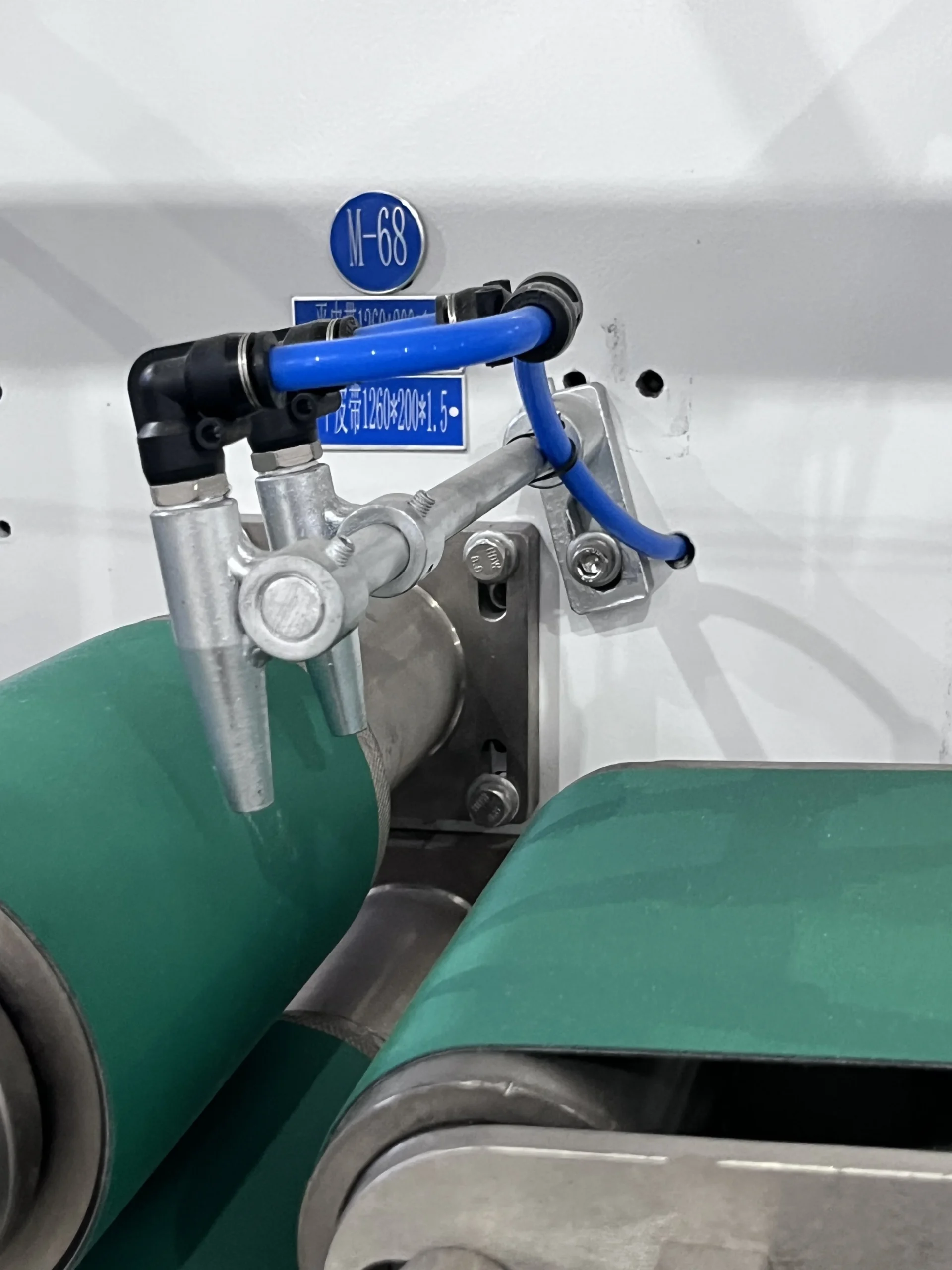
I believe CAPA closure should answer four questions: what changed, which lots or products are covered, how the change was verified and what trend would reopen the investigation. “No issue found” is an investigation outcome only when the tested scope and residual uncertainty are explicit.
- Approve the containment disposition and affected inventory map.
- Link every corrective action to a verified or bounded cause.
- Update control plans, supplier requirements, work instructions and training where required.
- Define effectiveness checks using future complaints, process results or release tests.
- Retain the evidence package and reopen criteria.
Why Welldone starts quality planning before the first commercial shipment
Welldone's reviewed baby-care machinery portfolio connects material feeding, converting, inspection and product handling. The project discussion can also use the site's guidance on material quality and machine stability and material matching for stable production.
Those capabilities do not diagnose the Millie Moon reports. They help buyers define what a new line should record and preserve so future quality questions can be investigated without reconstructing the production history from memory.
Identity boundaryConnect pack, product, line, time, recipe and material lots.
Evidence boundaryDefine retained samples, event history, tests and chain of custody.
Decision boundarySet containment, release, CAPA ownership and reopen rules.
Buyer checklist: build the complaint investigation chain before launch
- Use one readable finished-pack lot code across factory, warehouse and distribution records.
- Connect each finished-goods lot to line, shift, recipe, operator/event history and material rolls.
- Define retained-sample quantity, time points, storage and retention period by risk and applicable requirements.
- Prepare a complaint intake form that preserves product identity without assuming cause.
- Maintain a controlled defect and symptom vocabulary while keeping consumer wording intact.
- Define who can place, widen, narrow and release a lot hold.
- Preselect internal and external testing capabilities, methods and sample-chain rules.
- Require CAPA effectiveness evidence and explicit reopen triggers.
Before approving a new diaper line or finished-product supply route, ask one operational question: if a complaint arrives six months later, can the factory identify the exact production and material evidence before the returned sample leaves the intake desk?
Conclusion: investigate the chain, not the headline
The Consumer Reports call for recall and the company response point in different directions. That is precisely why factories need a disciplined evidence system.
A buyer should not ask machinery or material suppliers to guess the cause from public reports. The actionable decision is to design lot identity, retained samples, process history and CAPA ownership before commercial production begins.
Frequently Asked Questions
Has Millie Moon officially recalled its diapers?
The sources read for this article show that Consumer Reports called for a recall. The Target recall page read on October 26 did not list the product, and the CPSC source did not confirm a recall. This article therefore does not describe an official recall.
Do 600 incident reports prove a diaper manufacturing defect?
No. Consumer Reports describes the pattern as a meaningful safety signal and explicitly states it is not proof that the diapers caused every reaction. Lot-specific investigation is still required.
Why can a laboratory test pass while complaints continue?
The tested sample may not match the affected lot, the method may address a different hypothesis, or the condition may involve interactions not represented by the sample. The scope of the negative result must be stated.
Can inline inspection detect causes of skin reactions?
Inline systems can detect defined observable defects and support product identity or rejection records. They cannot replace material, chemical, microbiological, skin-interaction or complaint investigation methods outside their validated scope.
What should a buyer add to a new diaper-line specification?
Require lot and recipe identity, material-roll genealogy, event history, inspection/reject records, retained-sample rules and exportable quality data. Confirm the project boundary through Welldone's inquiry process.
Design the evidence chain before the first complaint
Discuss a baby-diaper production line, material/BOM matching, inspection and traceability boundary, or finished-product sourcing requirement. Specific materials, products, certification, MOQ, price, stock and delivery conditions require inquiry confirmation.
Website: www.cnwelldone.com | Email: welldone@cnwelldone.com
Discuss your diaper quality-control project