Diaper Production Capacity Planning for Factories | Welldone

How Many Diaper Production Lines Do You Need? A Capacity Planning Guide
A sales forecast may say the factory needs twelve million diapers next month. A machine catalogue may show a speed in pieces per minute. The investment decision sits between those two numbers, but multiplying catalogue speed by working hours does not reveal how many qualified, packed products the factory can actually deliver.
Capacity planning should convert market demand into required sellable output, then test whether the production system can support it. That means accounting for the product mix, scheduled time, stable qualified output, changeovers, material supply, inspection and packing. Not maximum speed. Deliverable capacity.
Start with sellable demand, not machine speed
A common mistake is to begin with the fastest machine available and then search for enough orders to fill it. Expansion should run in the opposite direction: begin with confirmed demand, realistic growth and SKU mix, then calculate the production capacity required to serve them.
Monthly demand must be separated by product and size. A baby pull-up factory producing M, L, XL and XXL does not have one continuous monthly run. Each change of material width, cutting format, waistband recipe or packing count consumes scheduled time and creates a new stabilization period.
- Use sellable pieces required by month, not sales value or total market size.
- Separate committed orders, probable orders and strategic safety capacity.
- Break demand down by SKU and packing format before assigning shifts.
- Confirm whether seasonal peaks should be covered by permanent capacity or temporary inventory.
The four numbers behind a line-count decision
The calculation needs four inputs: monthly sellable demand, available production hours, validated qualified output per hour and a planning allowance for demand variation. Each input must come from a named source inside the buyer's own operation.
| Input | Use this evidence | Do not substitute |
|---|---|---|
| Monthly sellable demand | Confirmed orders, forecast by SKU and agreed buffer | Total market size or sales ambition |
| Available hours | Working days × shifts × scheduled hours, less planned shutdowns | Calendar hours |
| Validated qualified output | Packed good pieces from a defined material, SKU and run period | Design or maximum speed |
| Planning allowance | Your demand volatility, maintenance plan and service target | A universal percentage copied from another factory |
Required qualified output per hour = monthly sellable demand × planning factor ÷ available production hours.
Required line count = required qualified output per hour ÷ validated qualified output per line per hour. Round the result up only after checking whether packing, labor, utilities and warehouse flow can support the proposed number of lines.
A worked example: why one theoretical line may become two
Illustrative example only. The figures below are not customer data, a Welldone machine specification or a quotation. Replace every input with your own demand plan and validated production records.
Assume a factory plans for 12,000,000 sellable pieces per month and applies a 1.10 planning factor. It schedules 26 working days, two shifts per day and eight hours per shift, giving 416 scheduled hours. Its chosen product and material combination has been validated at 24,000 qualified packed pieces per hour.
| Calculation step | Illustrative input | Result |
|---|---|---|
| Demand including allowance | 12,000,000 × 1.10 | 13,200,000 pieces/month |
| Scheduled production time | 26 × 2 × 8 | 416 hours/month |
| Required hourly output | 13,200,000 ÷ 416 | 31,731 qualified pieces/hour |
| Calculated line requirement | 31,731 ÷ 24,000 | 1.32 lines |
The spreadsheet says 1.32 lines, so the decision is not “buy 1.32 machines.” It means one validated line cannot cover the stated demand under those assumptions. Management must compare a second line, additional shifts, inventory built before the peak, a different SKU schedule or a revised service target.
Capacity disappears at the boundaries between stations
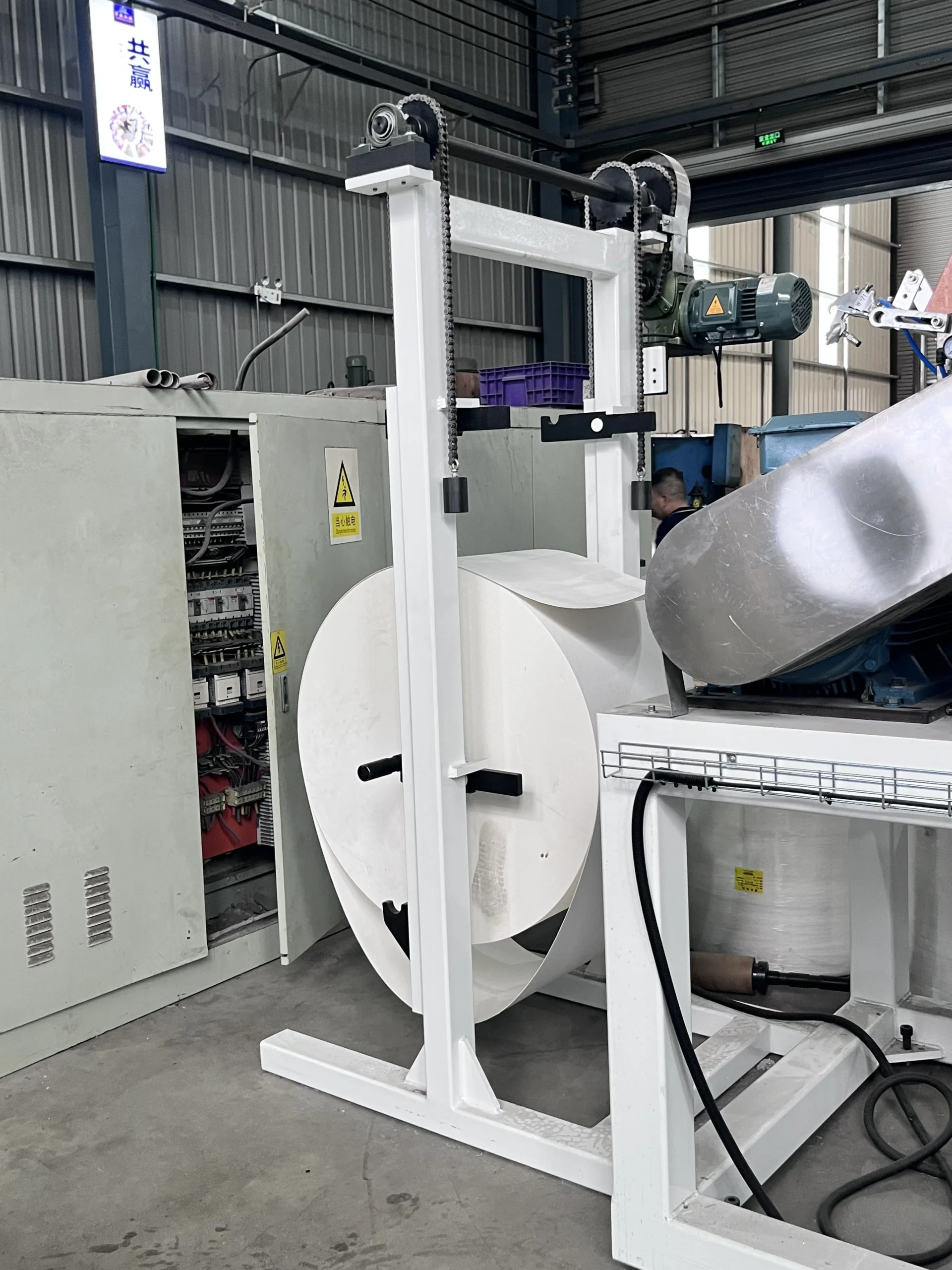
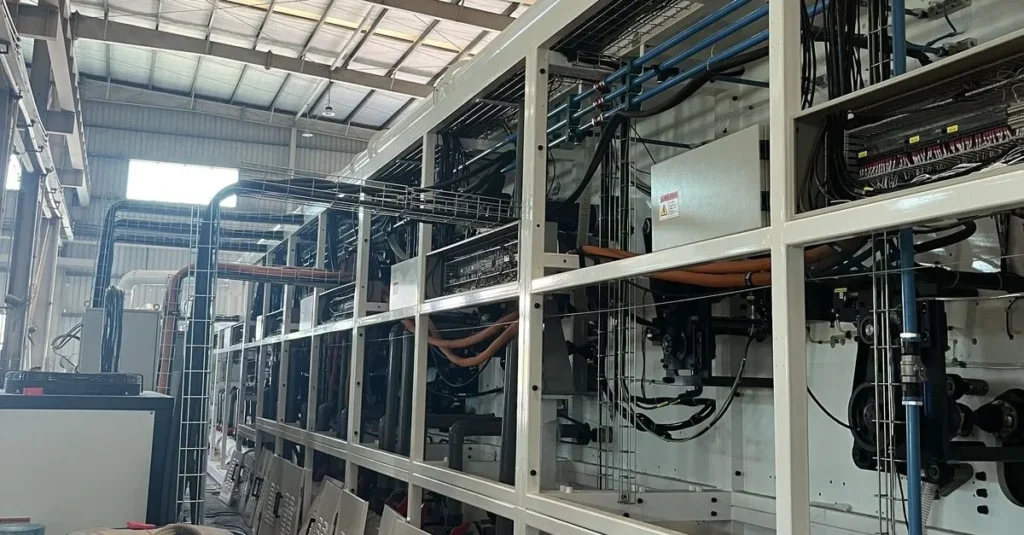
Actually, the main line is only one part of the capacity system. A second line doubles neither material readiness nor trained operators by itself. Pulp preparation, SAP supply, nonwoven storage, adhesive systems and roll handling must support the expanded schedule.
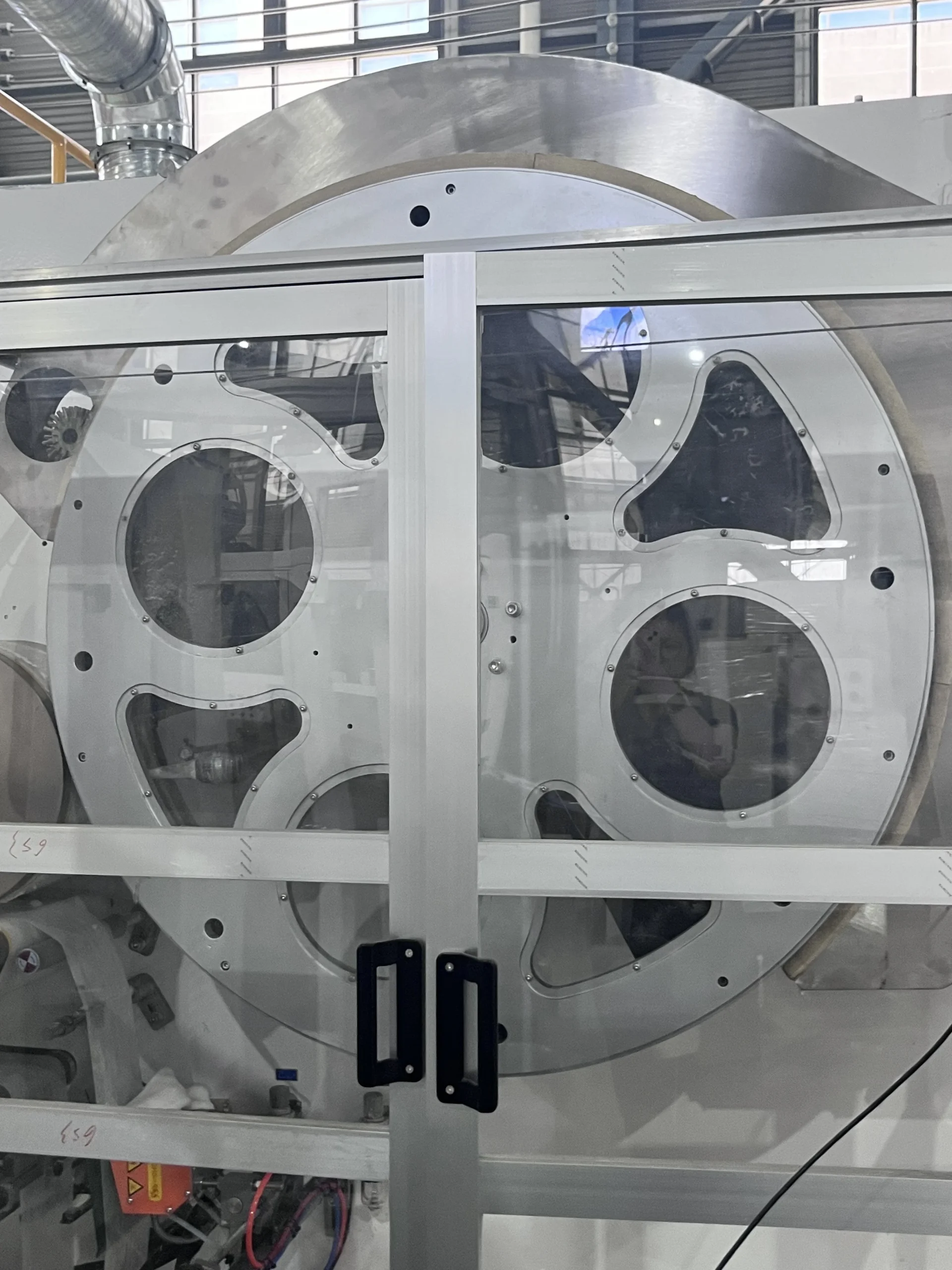
Downstream boundaries matter just as much. If inspection identifies defects late, or packing cannot clear products at the validated rate, pieces accumulate between the line and the warehouse. The machine may still be running while sellable output falls behind the plan.
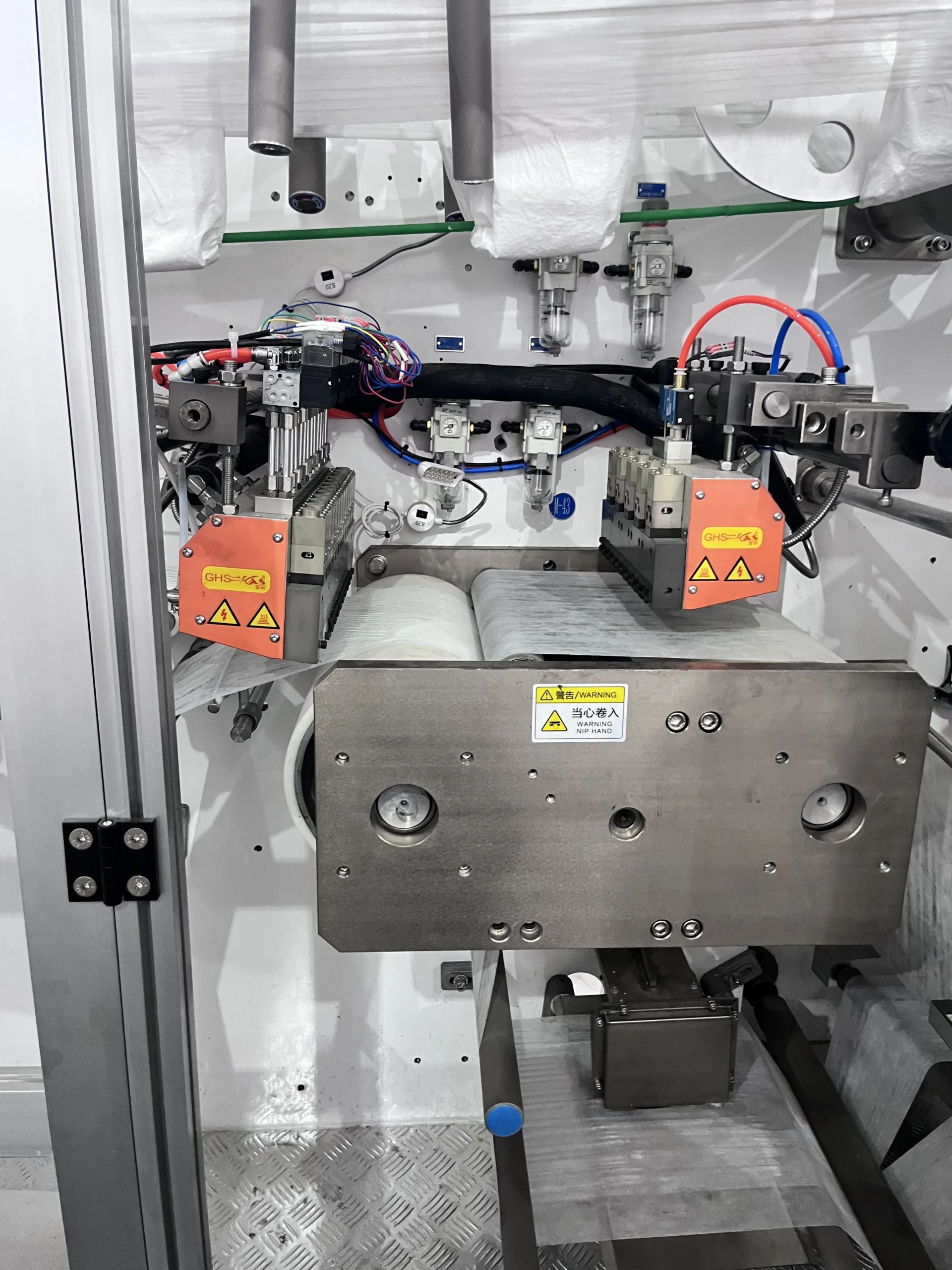
For that reason, read this calculation together with the existing guide on finding the real production bottleneck. The arithmetic establishes the gap. The bottleneck review determines whether another main line is the correct way to close it.
Validate capacity with one product, one material set and one boundary
The real question is what the output number includes. A supplier may quote design speed, a test may record stable machine speed, and the factory may report packed output. These are three different boundaries and should never share one capacity cell without explanation.
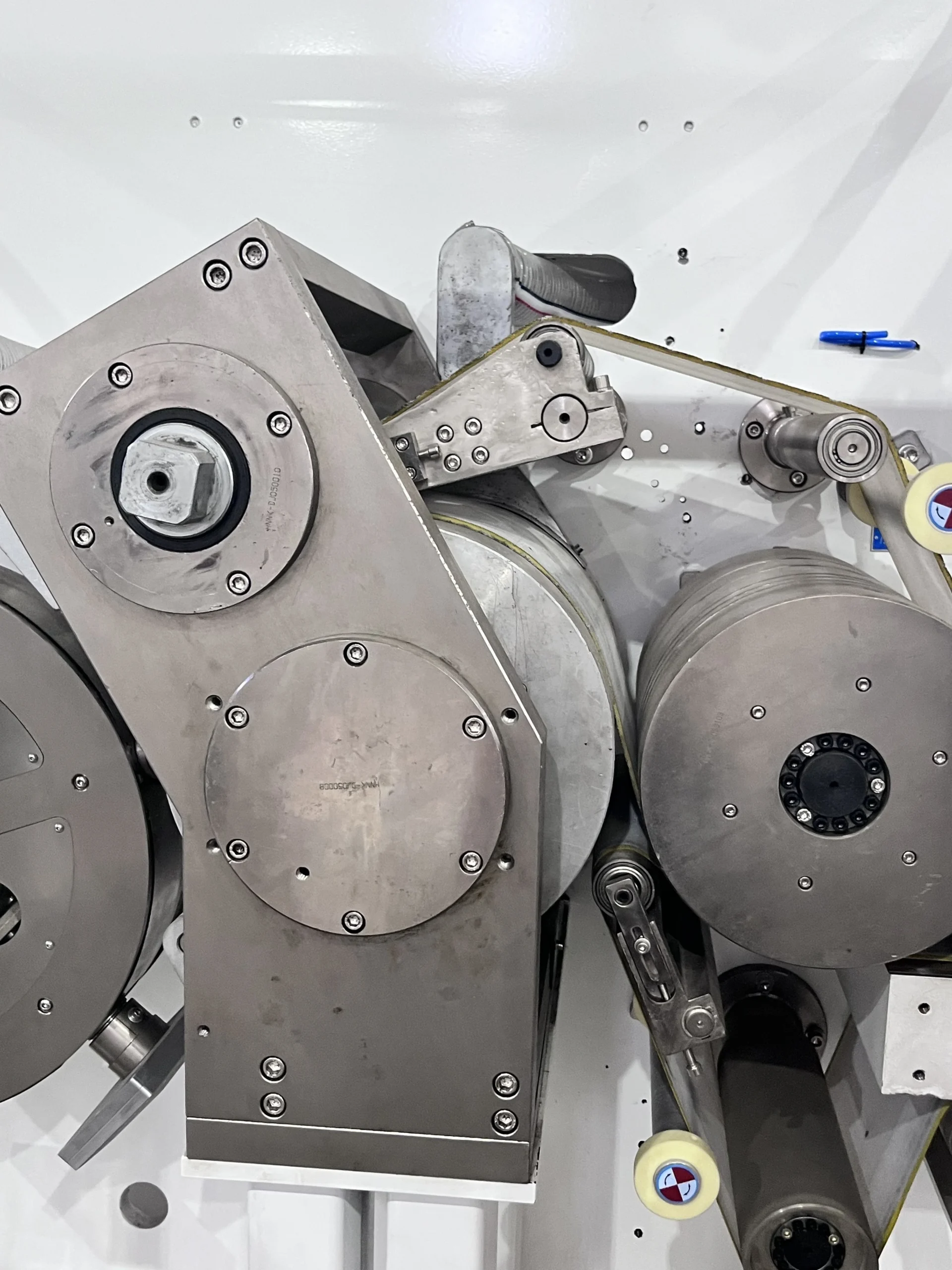
Use the target SKU, production BOM, packing format and agreed test duration. Record good packed pieces, classified rejects, stops and changeover recovery. The line acceptance and ramp-up guide explains how those records turn a nominal rate into an auditable production basis.
DefineFreeze product drawing, BOM, SKU mix and packing boundary.
MeasureRecord qualified packed output, rejects, stops and recovery.
PlanConvert validated hourly output into shifts, lines and support capacity.
Do not solve uncertain demand with permanent equipment
In most cases, the most expensive error is not choosing a line that is too slow. It is installing permanent capacity for demand that was never firm, while ignoring cash tied in materials, warehouse space and finished inventory.
Separate baseline demand from peaks. If a peak is short, inventory planning, an additional shift or campaign production may be more appropriate than a permanent second line. If demand is sustained and the current system is already stable, a new line becomes easier to justify and easier to commission.
Why plan capacity with Welldone
Welldone approaches a baby pull-up project from the finished product backward. The discussion starts with the product structure, material route, target SKU mix, output boundary, factory conditions and acceptance method.
This is the useful basis for a capacity discussion. A line count without product and factory boundaries is a sales number; a line count tied to validated qualified output becomes an investment plan.
Related machinery planning routes
Conclusion: calculate the production system, not just the machine
Monthly demand becomes a line decision only after the factory defines available hours and validates qualified packed output. Design speed can start a discussion, but it cannot finish a capacity plan.
If your forecast increased next month, which input would change first: confirmed sellable demand, shifts, validated output, packing capacity or inventory policy? The answer tells you whether the factory needs another line or a better use of the line it already has.
FAQ
Should I use maximum machine speed in the calculation?
No. Use qualified packed output validated with a defined product, material set, run period and reject boundary.
Why should demand be separated by SKU?
Different sizes and pack formats create changeovers, recipe adjustments and stabilization time. A single monthly total hides those losses.
Does a result above one line always mean buying two lines?
No. Compare a second line with added shifts, campaign production, inventory before peaks and a revised delivery target.
What should be checked before installing a second line?
Confirm material supply, utilities, trained operators, inspection, packing, warehouse flow and maintenance access.
What evidence should the supplier provide?
Ask for a test boundary, product and material definition, run record, qualified output, reject classification and configuration scope.
Build your diaper capacity plan from sellable demand backward.
Website: www.cnwelldone.com | Email: welldone@cnwelldone.com
Discuss your factory capacity plan