Wet Wipes Production Line: A Complete Guide for New Entrants and Upgrade Buyers

Welcome to this week’s deep dive into the world of wet wipes manufacturing! Whether you’re stepping into the industry for the first time or looking to upgrade your existing production line, understanding the nuances of wet wipes production can save you time, money, and headaches.
Today, we’ll explore the common challenges manufacturers face, strategies to keep your line running smoothly, how to maintain top-notch product quality, control costs, and the step-by-step process to select the right production line for your needs. Ready? Let’s get started!
Common Challenges in Wet Wipes Manufacturing
Launching or improving a wet wipes production line isn’t always straightforward. Manufacturers, especially newcomers, often encounter hurdles that can slow growth or impact profitability. Here are some typical challenges:
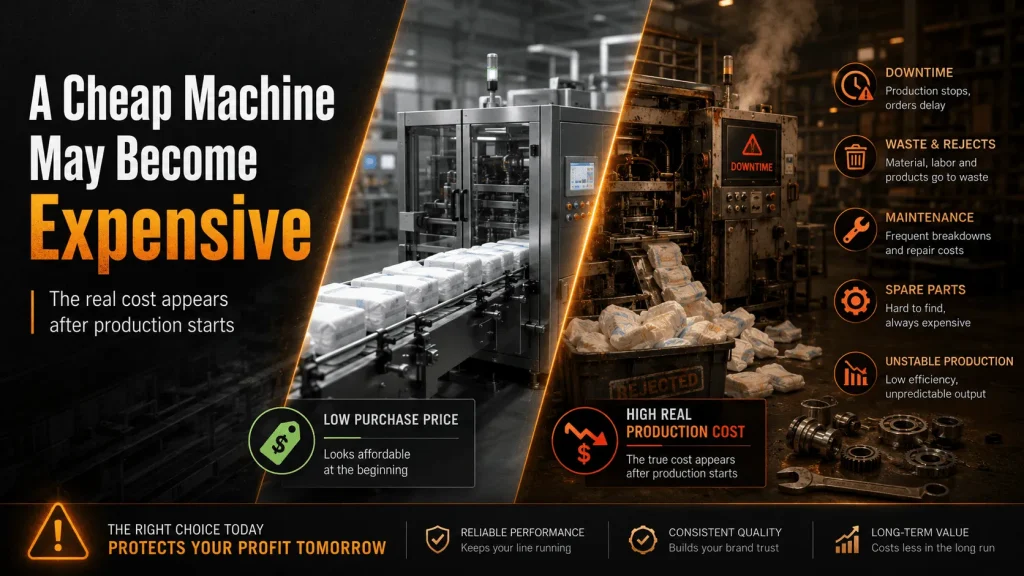
- Downtime and machine breakdowns: Inefficient equipment or lack of maintenance can cause unexpected stops, leading to lost output and revenue.
- Maintaining quality consistency: Wet wipes need precise moisture levels, clean cutting, tight sealing, and neat packaging—small variations can lead to dissatisfied customers.
- Material waste: Excessive scrap or defective products result in higher costs and environmental strain.
- Labor inefficiencies: Without proper training or ergonomic workflows, labor costs balloon, and productivity drops.
- Selecting the wrong production line: Overinvesting in unnecessary features or under-equipping your line can both cause trouble down the road.
Recognizing these challenges early makes it easier to tackle them head-on. Let’s look at how you can avoid or mitigate downtime and stabilize your output next.
How to Reduce Downtime and Keep Output Stable
Downtime is like a leak in your production bucket—it drains valuable capacity and frustrates your team. To keep your wet wipes production line humming, consider these practical approaches:
- Regular maintenance schedules: Preventative checks on critical components like cutting blades, sealing heads, and conveyors keep surprises at bay.
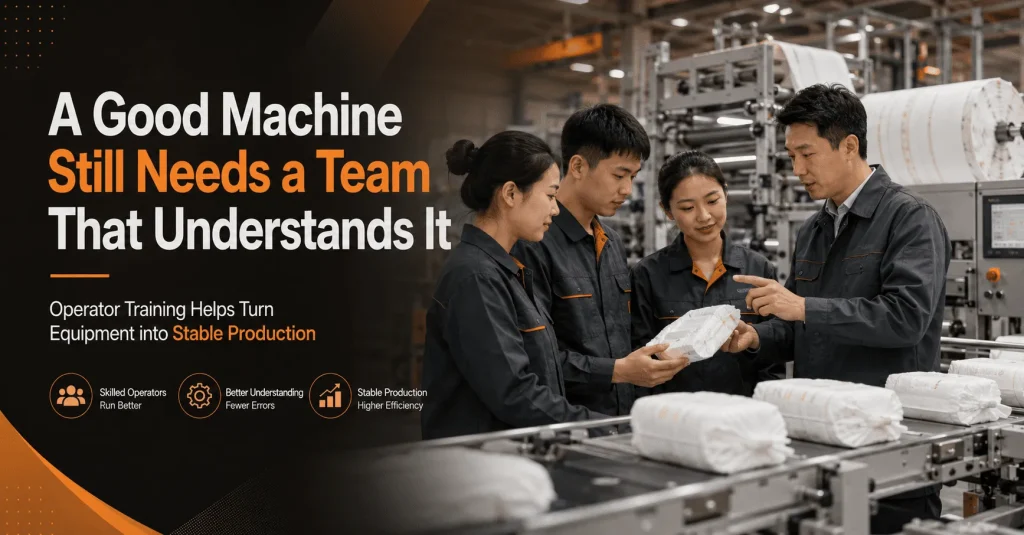
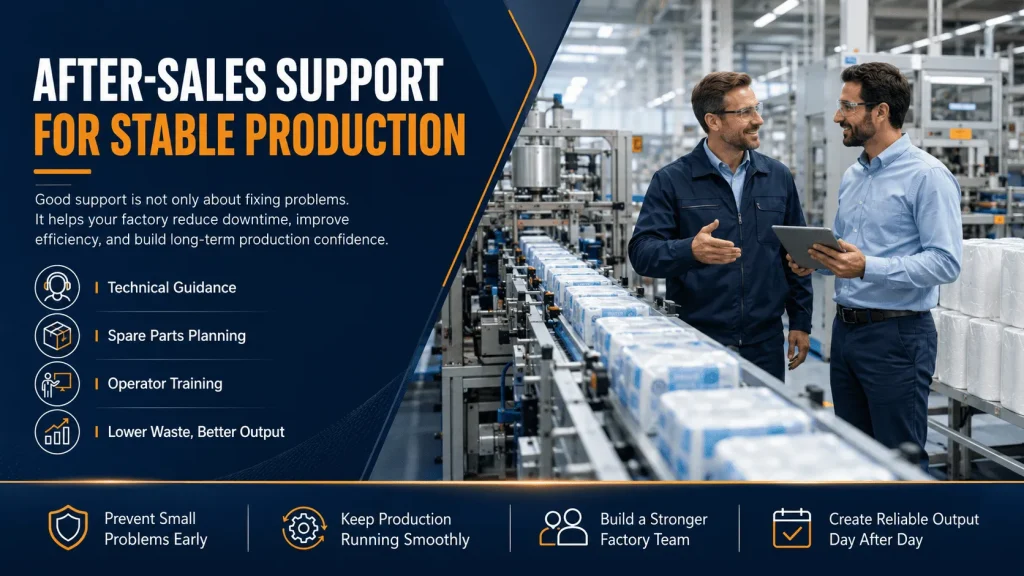
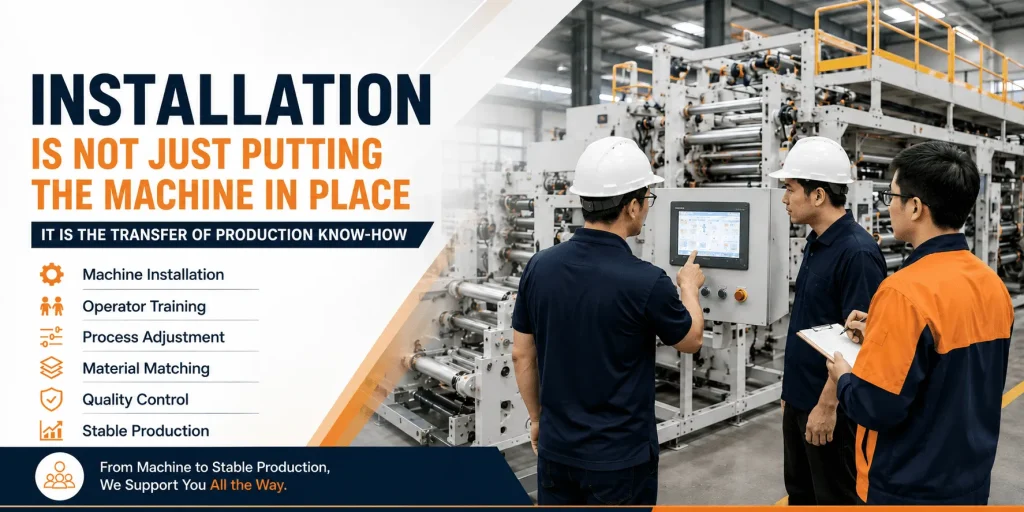
- Operator training: Skilled operators spot early warning signs, adjust machine parameters, and troubleshoot minor issues without halting the line.
- Automation and sensors: Modern lines equipped with real-time monitoring can detect jams or deviations immediately, reducing reaction time.
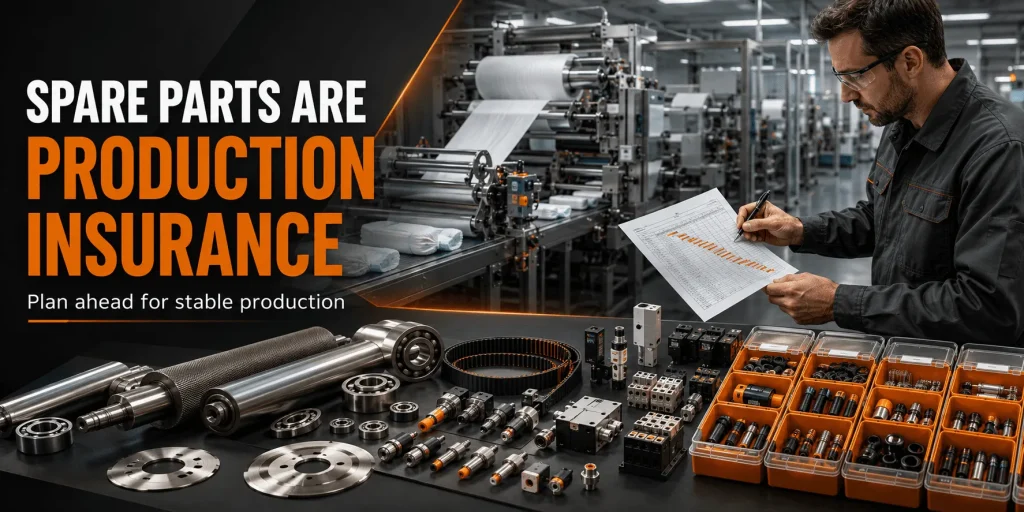
- Spare parts inventory: Having essential parts on hand avoids long repair waits.
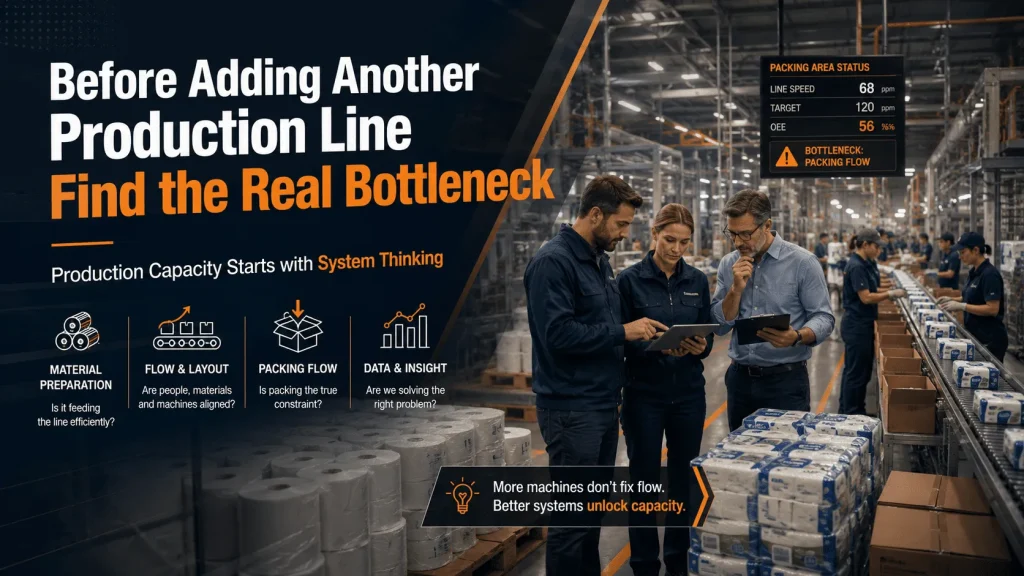
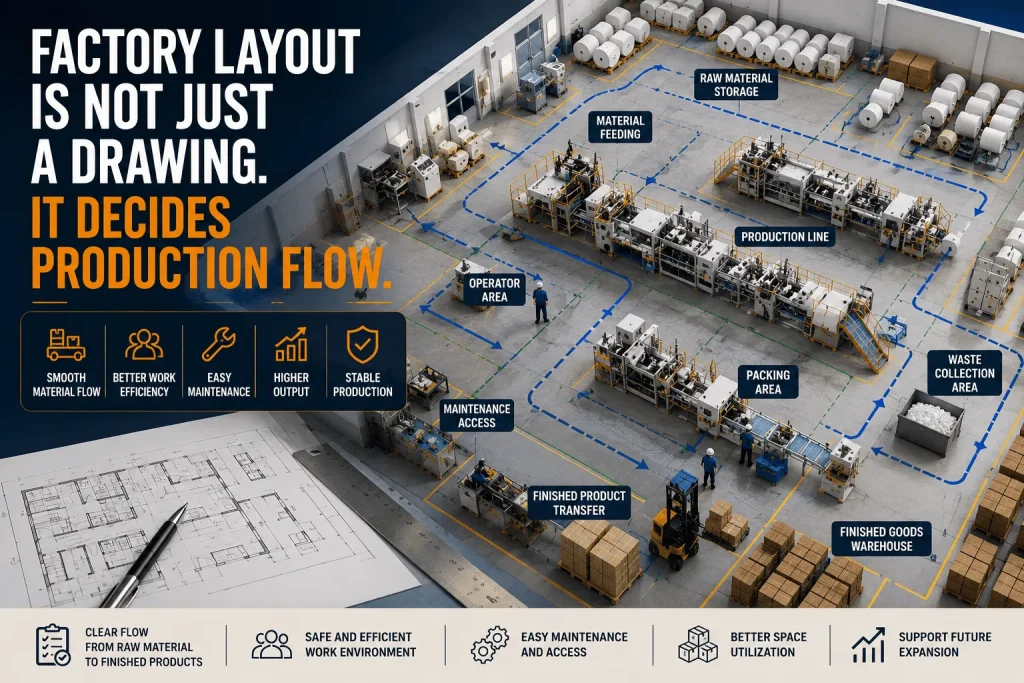
- Lean workflow design: Streamline your layout for faster changeovers and minimal waste handling.
With downtime minimized, your output becomes more predictable, allowing you to meet delivery deadlines and grow your business steadily.
Quality Consistency: Moisture, Cutting, Sealing, Packaging
Nothing kills brand loyalty faster than a wet wipe that’s too dry, torn, or poorly packaged. Consistent quality is the heartbeat of successful production.
Here’s what to focus on:
- Moisture control: The right liquid ratio keeps wipes fresh and effective without dripping or drying out prematurely. Inline sensors measure and adjust moisturizing processes in real time.
- Cutting precision: Blades must be sharp and correctly aligned to produce uniform wipes that fit perfectly in their packaging.
- Sealing tightness: Sealed pouches or flow packs protect the wipes from contamination and moisture loss. Machines with adjustable sealing temperatures and pressures offer better control.
- Packaging accuracy: Automated wrappers with synchronized dosing and folding ensure neat packages, which sell better on shelves.
As you ramp up production, integrating quality control checkpoints into your line can save money by catching defects before shipment.
Cost Control: Energy, Material Waste, Labor Efficiency
Running a wet wipes production line efficiently requires constant attention to costs without sacrificing output or quality. Here’s how to stay lean and productive:
- Energy management: Opt for energy-efficient motors and systems. Consider variable frequency drives (VFDs) to adapt power use to production speed.
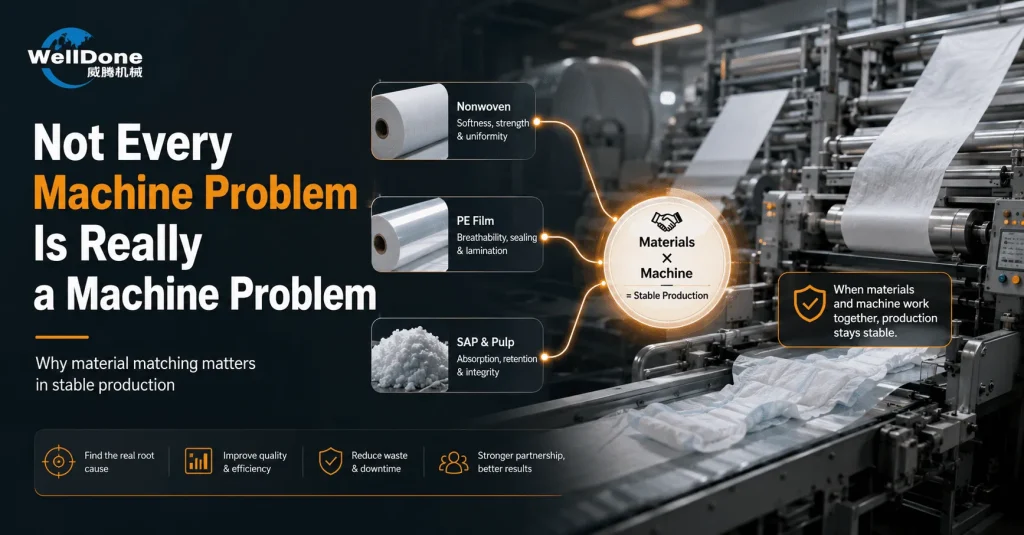
- Material optimization: Use raw materials wisely by tuning machinery settings—reduce fabric overlaps and trimming waste without compromising texture.
- Labor productivity: Invest in operator training and ergonomic stations. Automate repetitive tasks to free staff for higher-value roles.
- Process integration: Combine multiple steps where possible to save time and reduce handling.
Energy savings and waste reduction have the added bonus of lowering your environmental footprint—something more customers appreciate every day.
How to Choose the Right Wet Wipes Production Line (Step-by-Step)
Selecting the perfect wet wipes production line can feel overwhelming. Here’s a straightforward roadmap to guide your decision:
- Assess your production goals: Define your target capacity, product types (e.g., baby wipes, disinfectant wipes), and packaging formats.
- Understand your budget: Balance upfront investment with expected returns and operational costs.
- Research machine types: Identify whether a basic line meets your needs or if upgrades (automation, quality control) are necessary.
- Evaluate suppliers: Look beyond price—check reliability, after-sales service, and ease of training.
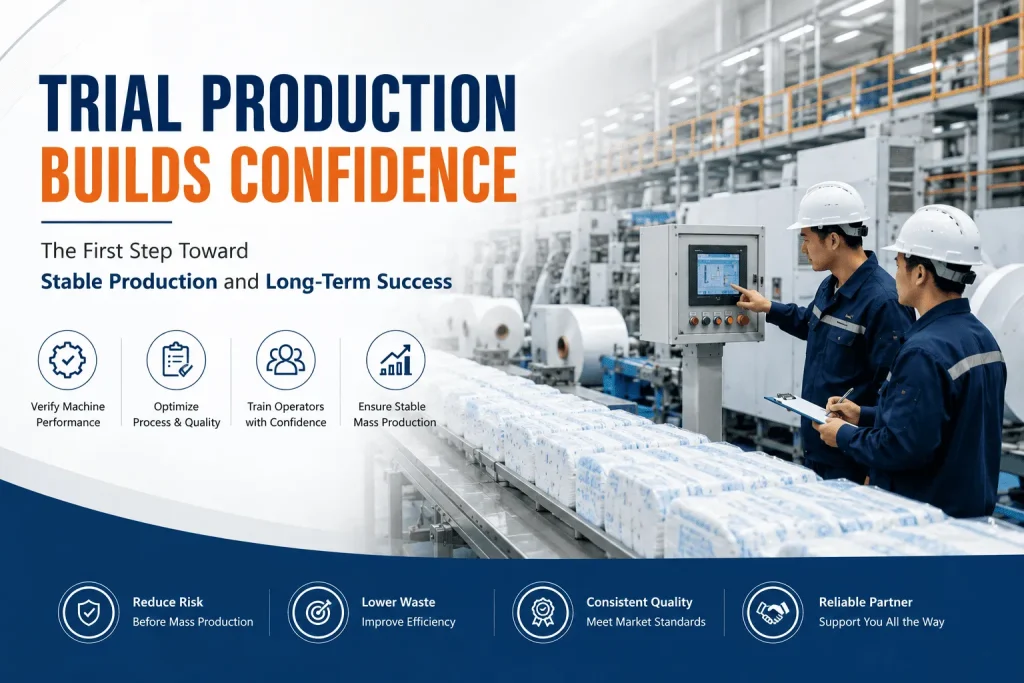
- Visit production sites or watch demos: Seeing lines in action helps validate your choices.
- Plan for scalability: Ensure your line can grow with your business or be upgraded later.
- Request detailed quotations: Compare specs and hidden costs to avoid surprises.
Following these steps lowers the risk of costly missteps and keeps your production aligned with your business vision.
Basic Line vs Optimized Line Comparison
Here’s a clear comparison to help you understand the key differences between an entry-level wet wipes line and an optimized line—so you can match your investment to your production goals.
| Feature | Basic Line | Optimized Line |
|---|---|---|
| Production Capacity | Low to Medium (up to ~30 packs/min) | High (40+ packs/min) |
| Automation | Manual loading and adjustments | Automated feeding & real-time control |
| Quality Monitoring | Minimal; relies on manual checks | Inline sensors for moisture, cutting & sealing |
| Packaging Flexibility | Limited pack formats | Multiple pack sizes & styles |
| Energy Efficiency | Standard setups | VFD motors and energy-saving design |
| After-Sales Support | Basic warranty and support | Extended support, training & rapid response |
| Scalability | Limited upgrade options | Modular design for easy expansion |
Frequently Asked Questions About Wet Wipes Machines
- Q1: What is the typical production capacity of a wet wipes machine?
Most machines produce between 20 to 50 packs per minute depending on automation level and product complexity. - Q2: Can wet wipes machines accommodate different pack formats?
Yes, many modern lines support flow packs, pouch packs, and pop-up boxes with quick-change tooling. - Q3: How long does it take to deliver and install a wet wipes production line?
Lead times often range from 8 to 16 weeks depending on customization and order size. Installation usually takes a few days to a week. - Q4: Is operator training provided with new lines?
Reputable manufacturers offer on-site training as part of after-sales service to ensure smooth operation. - Q5: What after-sales services are commonly available?
These include technical support, spare parts supply, remote diagnostics, and periodic maintenance visits. - Q6: How do I reduce material waste during production?
Optimizing blade settings, moisture dosing accuracy, and minimizing fabric overlaps are key strategies.
We hope these answers give you greater confidence as you navigate your wet wipes manufacturing journey.
If you’re ready to explore specific production lines, ask technical questions, or want personalized advice, don’t hesitate to reach out.