Facial Tissue Machine Buying Guide: What Every Tissue Manufacturer Should Know

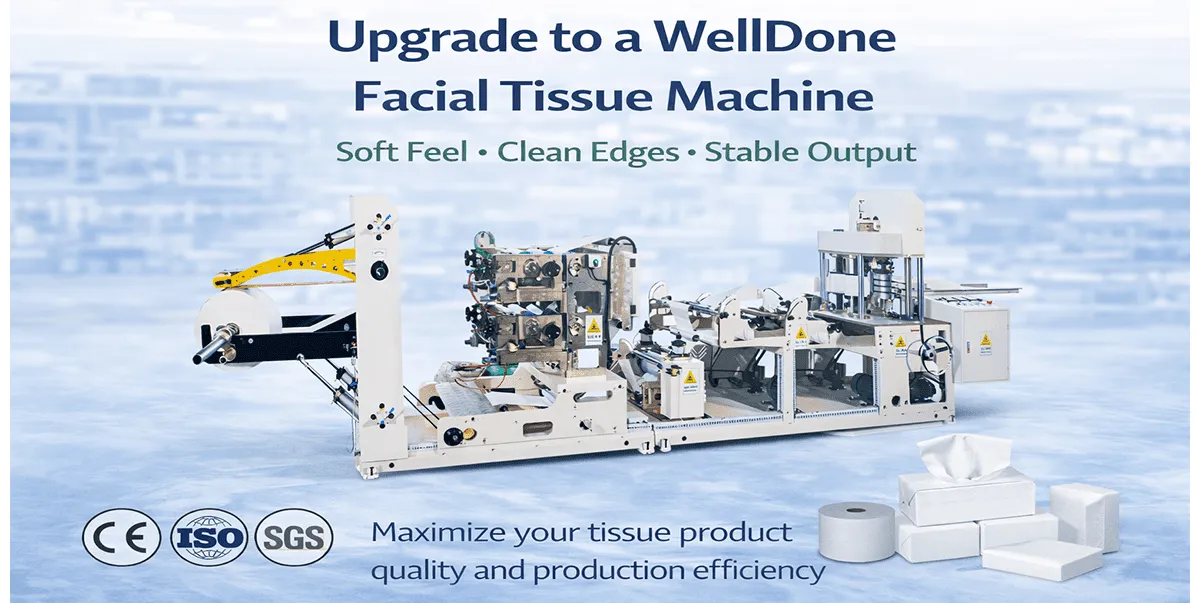
For companies entering the tissue converting industry, choosing the right equipment is one of the most important decisions you will make. A facial tissue machine is not just a piece of machinery—it directly determines product quality, production stability, and long-term profitability.
Many investors focus mainly on machine speed when comparing equipment. Speed is important, but in reality, it is not the only factor that determines production success. In the facial tissue market, consumers care far more about the softness, appearance, and overall quality of the product.
If the machine cannot produce tissues with consistent folding, clean edges, and smooth texture, even a high-speed production line will struggle to compete in the market.
This guide explains what manufacturers should really consider when choosing a facial tissue production machine.
Why Product Quality Matters More Than Speed
When a factory begins producing facial tissues, the first priority is usually production capacity. However, experienced manufacturers quickly realize that product quality plays an even bigger role in long-term success.
Customers expect facial tissues to be:
-
Soft and comfortable on the skin
-
Neatly folded and easy to pull from the box
-
Smoothly cut with clean edges
-
Free from excessive paper dust
If the tissue product does not meet these expectations, it becomes difficult to build brand trust in the market.
A well-designed facial tissue machine ensures that every stage of production—from paper feeding to folding and cutting—remains stable and consistent. This consistency helps factories maintain both product quality and operational efficiency.
Common Problems with Low-Quality Tissue Machines
Factories that choose equipment based only on price often encounter a range of production issues after installation.
Some of the most common problems include:
Uneven Folding
When folding mechanisms are not precise, tissues may appear messy inside the box. This affects product appearance and customer experience.
Rough or Inconsistent Cutting
Poor cutting systems can create uneven edges or tearing, which lowers the perceived product quality.
Excessive Paper Dust
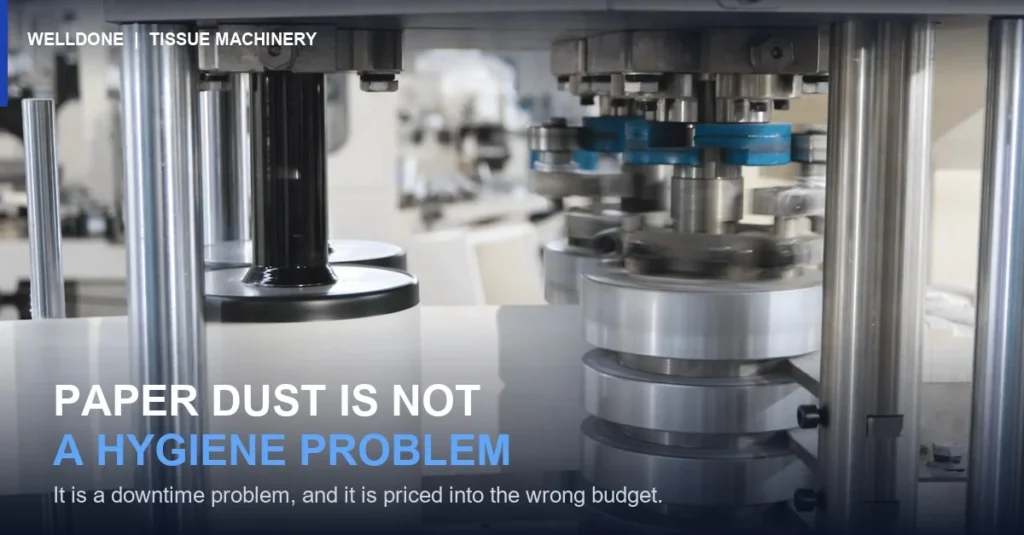
Dust during production is another major concern. Too much dust not only affects the working environment but can also reduce product cleanliness.
Frequent Production Interruptions
Unstable machine structures or poor synchronization between components can lead to frequent stoppages, reducing overall efficiency.
Over time, these problems increase maintenance costs and reduce the factory’s ability to meet production targets.
What a Good Facial Tissue Machine Should Deliver
A reliable facial tissue machine should focus not only on speed but also on stability, precision, and ease of operation.
Here are several key advantages a high-quality machine should provide:
Smooth and Stable Folding
Accurate folding ensures that tissues are aligned properly, creating a neat and attractive final product.
Clean and Accurate Cutting
Precision cutting systems produce tissues with smooth edges and consistent dimensions.
Soft and Uniform Tissue Appearance
A well-designed machine maintains proper tension and pressure during production, helping preserve the softness of the tissue.
Reduced Dust During Production
Better machine design helps control dust and improve the overall cleanliness of the production environment.
Stable Output for Daily Production
Consistency is critical. A stable production line helps factories maintain reliable daily output without frequent interruptions.
When these elements work together, manufacturers can achieve both higher efficiency and better product quality.
Five Things to Check Before Buying a Facial Tissue Machine
Before investing in a facial tissue production line, it is important to evaluate your requirements carefully. The following five factors can help guide your decision.
1. Production Capacity
Determine how many packs or sheets you plan to produce per day. Choosing a machine that matches your target capacity helps avoid both underproduction and unnecessary investment.
2. Embossing or Lamination Options
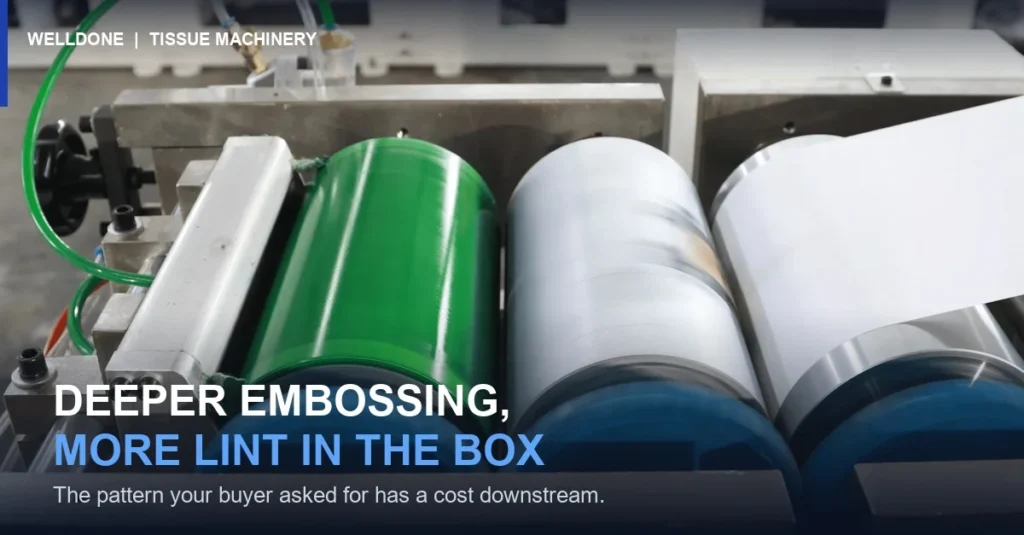
Embossing patterns improve the softness and appearance of tissues, while lamination can enhance strength. Make sure the machine supports the features your product requires.
3. Folding Style
Different markets prefer different folding styles, such as V-fold, Z-fold, or interfold. The machine should support the folding type needed for your packaging format.
4. Compatibility with Packaging Equipment
A facial tissue machine usually works together with packaging machines. Ensuring compatibility between equipment improves workflow and reduces manual handling.
5. After-Sales Service and Technical Support
Even the best machines require maintenance and technical assistance over time. Reliable suppliers provide installation guidance, spare parts, and long-term technical support.
Considering these factors before purchasing can prevent many operational challenges later.
Building a Stable and Efficient Tissue Production Line
Successful tissue manufacturing depends on more than just individual machines. It requires a well-planned production line where each component works together smoothly.
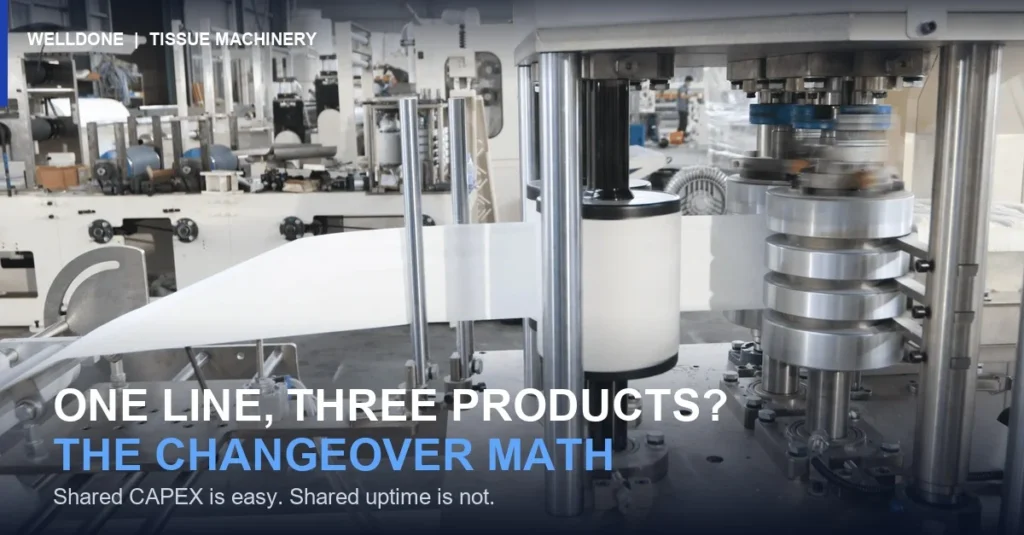
A properly configured tissue converting line can include:
-
Jumbo roll unwinding systems
-
Embossing and lamination units
-
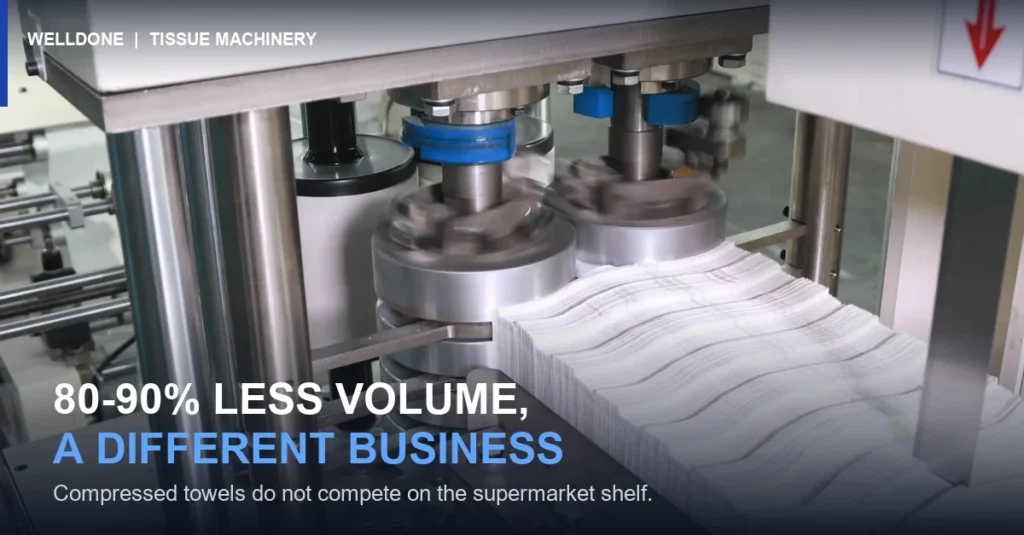
Automatic folding systems
-
High-precision cutting mechanisms
-
Packaging equipment integration
When these systems are carefully designed and synchronized, factories can achieve stable output while maintaining consistent product quality.
For manufacturers looking to expand their production capacity or enter the tissue market, investing in reliable equipment can significantly reduce operational risks.
Choosing the Right Partner for Your Tissue Project
Starting or upgrading a tissue production line is a major investment. Working with an experienced equipment supplier can make the process much smoother.
An experienced manufacturer can help you:
-
Select the right machine configuration
-
Plan production capacity based on market needs
-
Integrate converting and packaging equipment
-
Provide installation and technical support
With the right support, manufacturers can focus on growing their business rather than solving daily production issues.
Start Your Tissue Production Project with Confidence
Whether you are launching a new tissue factory or upgrading your existing production line, choosing the right facial tissue machine plays a key role in your long-term success.
Stable equipment, precise production processes, and reliable technical support can help you produce high-quality tissues while improving efficiency and reducing operational problems.
If you are planning to start or upgrade a tissue production project, feel free to contact us for more information.