Adult Incontinence Factory Expansion: Plan Without Bottlenecks

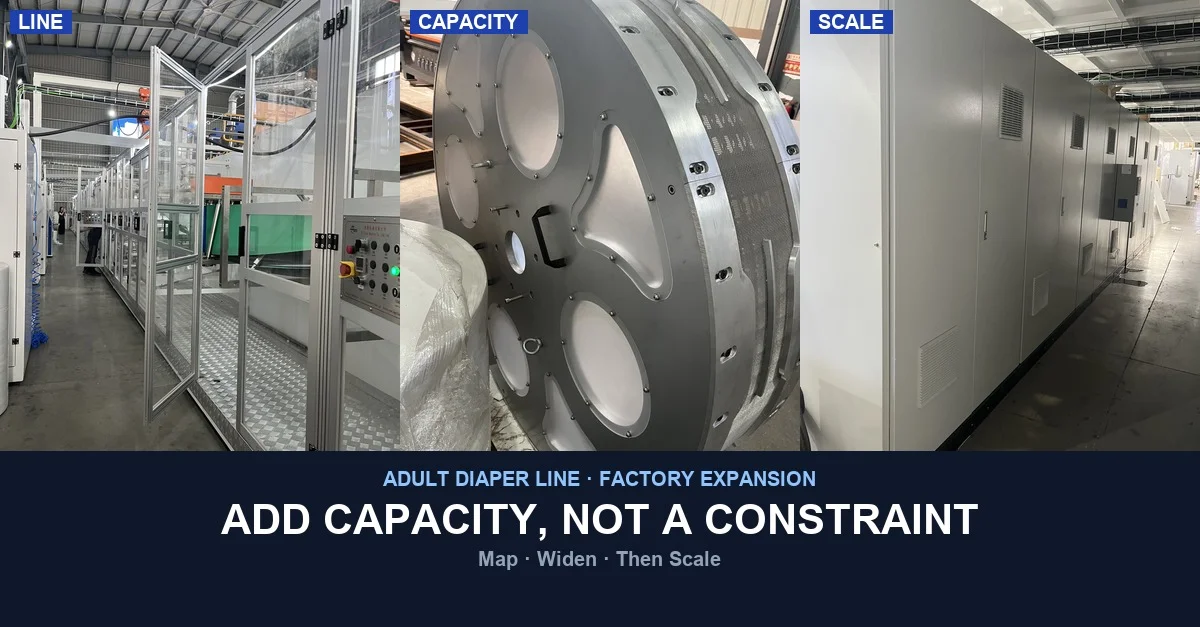
How to Expand an Adult Incontinence Product Portfolio Without Creating a Bottleneck
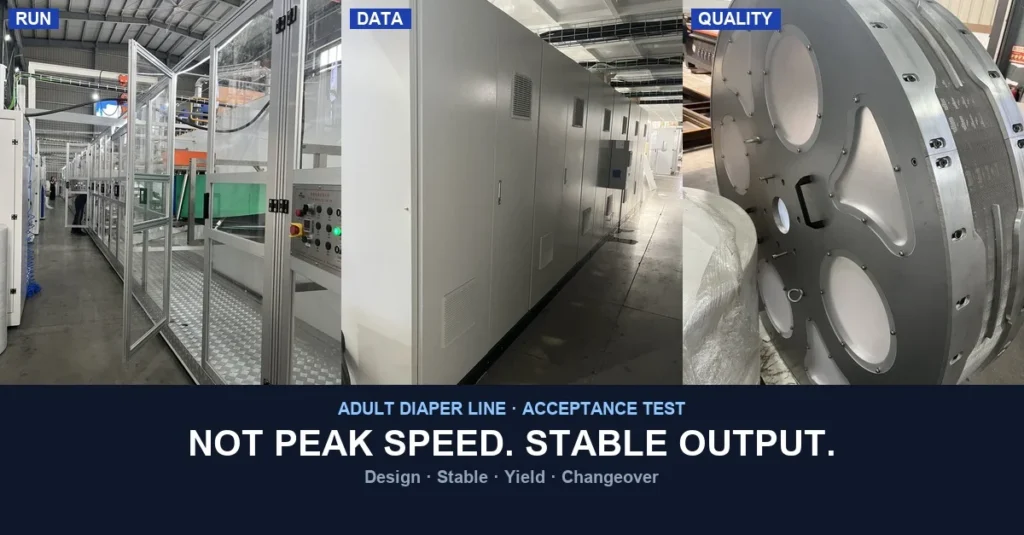
An adult diaper factory running an open-type line at capacity decides to add a second line, a pull-up, to capture a new segment. The machine is ordered, installed, and commissioned in four months. Then the expansion stalls — not at the new line, but at the packing tables, the finished-goods warehouse and the inspection bench, which were sized for one line and never touched.
The new machine runs at 250 pcs/min and the downstream steps cannot absorb it. The owner did not add capacity. He moved the constraint. This guide explains how to expand an adult incontinence portfolio so the new line raises output instead of relocating the bottleneck.
Planning an Adult Incontinence Products Factory · Part 6
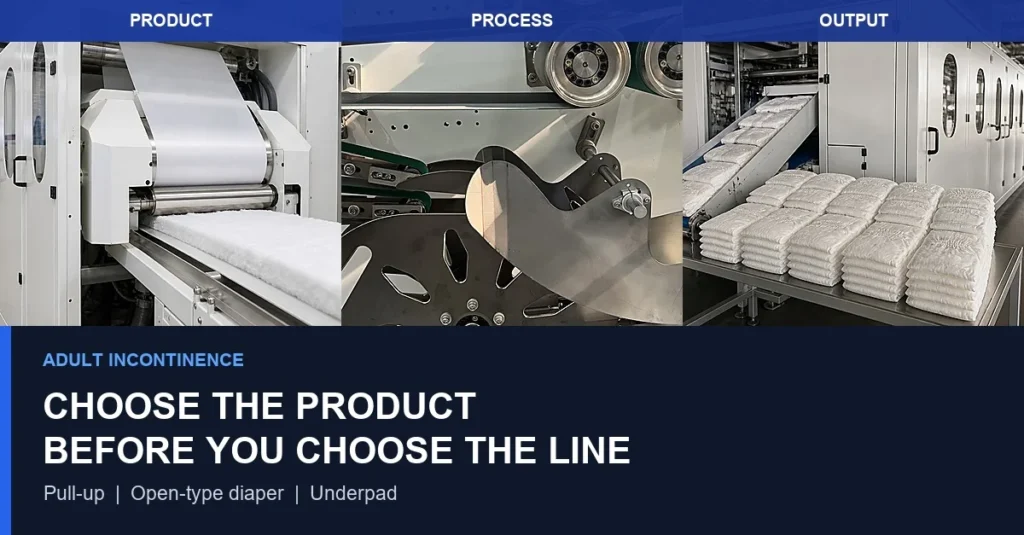
Part 1: Adult pull-up vs open-type vs underpad — the product decision.
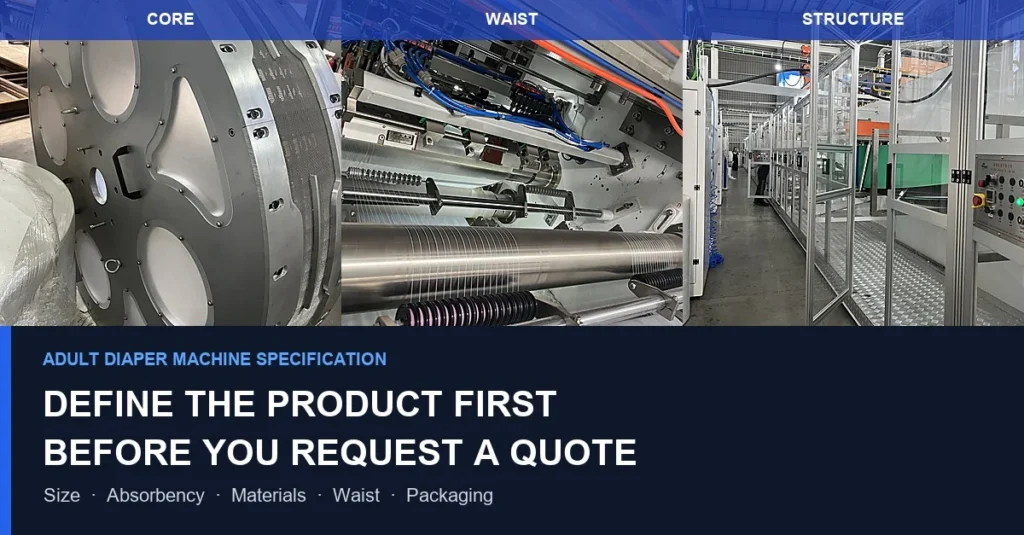
Part 2: Define the product before requesting a quote — the demand brief.
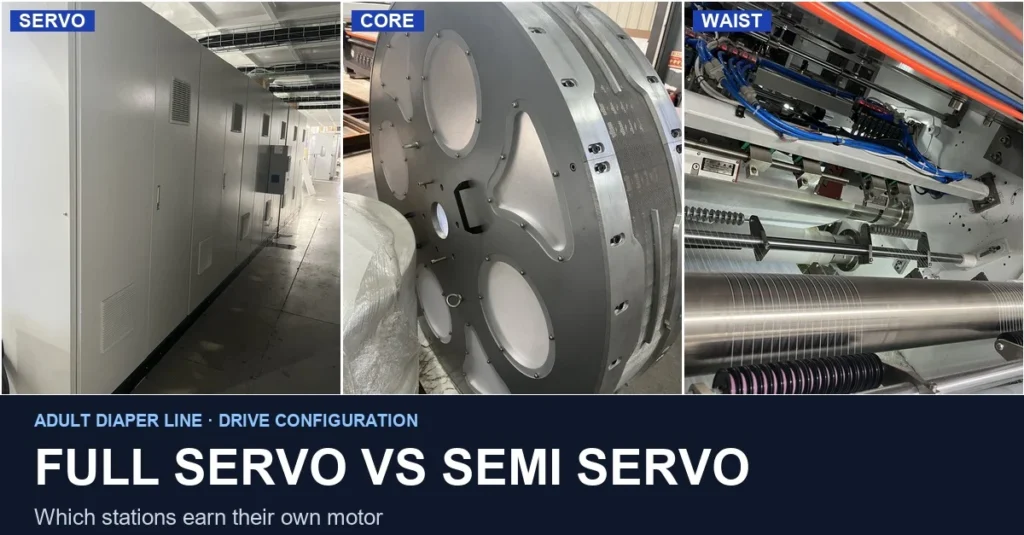
Part 3: Full servo vs semi servo — the configuration decision.
Part 4: Factory utilities and layout — the building that receives the line.
Part 5: Acceptance criteria — the test that proves the line.
Part 6 — this article: scaling the portfolio without creating a bottleneck.
Part 1: Adult pull-up vs open-type vs underpad — the product decision.
Part 2: Define the product before requesting a quote — the demand brief.
Part 3: Full servo vs semi servo — the configuration decision.
Part 4: Factory utilities and layout — the building that receives the line.
Part 5: Acceptance criteria — the test that proves the line.
Part 6 — this article: scaling the portfolio without creating a bottleneck.
Adding a line is not the same as adding capacity
Capacity is the slowest step in the whole flow, not the speed of the newest machine. An adult diaper line runs a stable 200–260 pcs/min, an underpad line 600–800 pcs/min. If the packing or inspection step below it can only handle 150 pcs/min, the system produces at 150 no matter how fast the main line runs.
A factory that measures expansion by the new machine's rated speed has measured the wrong object. The only number that matters after the expansion is the output of the complete flow, from raw roll to shipped carton.
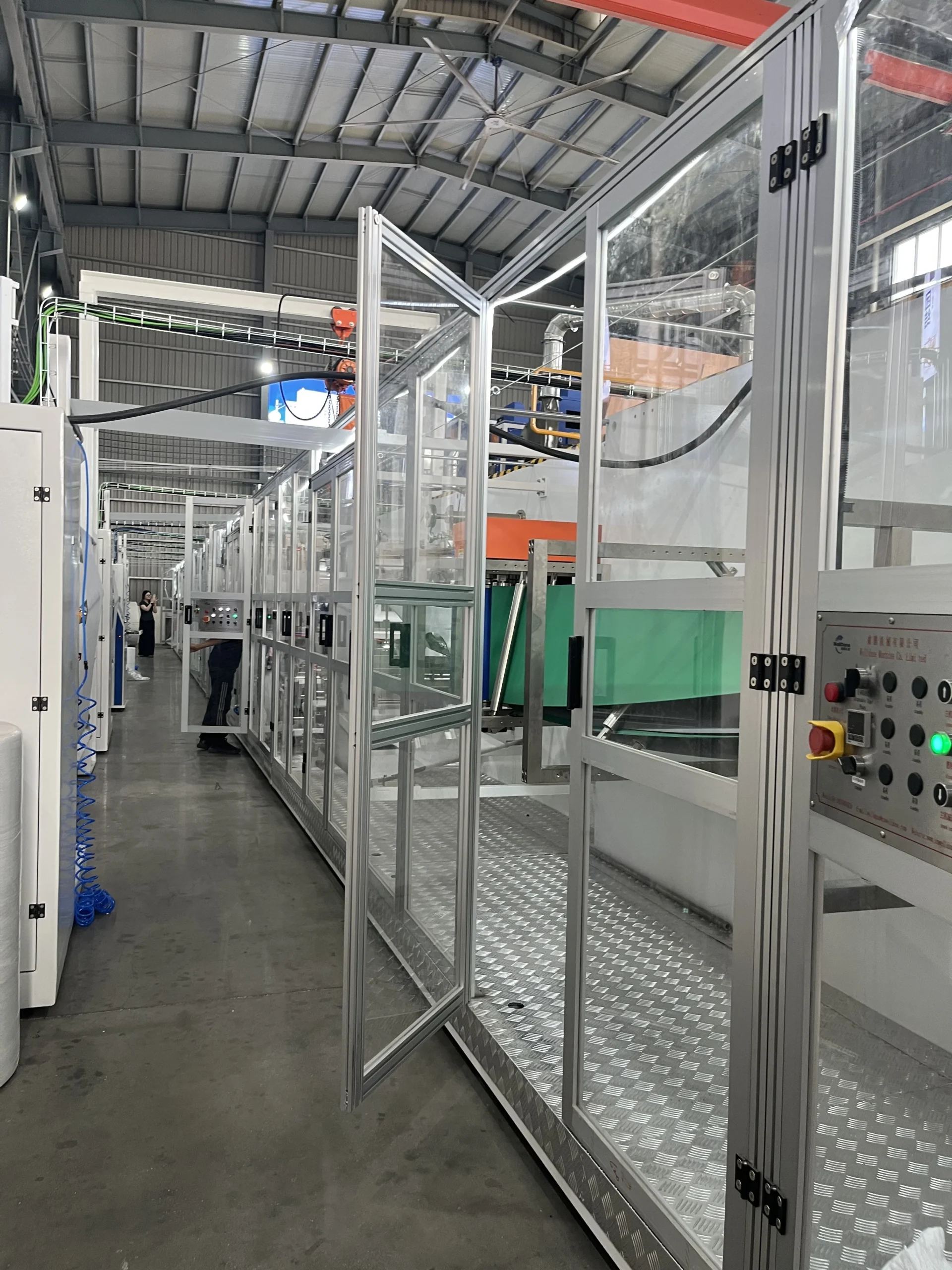
Map the constraint before you buy the machine
Before ordering a second line, walk the existing flow and find the step that is already closest to its limit. It is usually one of four places: packing and stacking, finished-goods storage, quality inspection, or the shared raw material feed. Mark each one with its current throughput and its ceiling.
Actually, the constraint is rarely the new line. It is the step that was quietly running near its ceiling on the old line and now has to absorb a second machine's output. Find that step first, because it decides the expansion sequence and the payback.
| Downstream step | What breaks when you add a line | Check before ordering |
|---|---|---|
| Packing and stacking | The line outruns the packers and the stacker backs up | Packing speed and stacker capacity against the new line's stable speed |
| Finished-goods warehouse | Pallets pile up with nowhere to stage | Pallet positions against a full-shift output of both lines |
| Quality inspection | A new SKU doubles the checks and the bench becomes the delay | Inspection throughput for the new product's defect profile |
| Shared raw materials | SAP, non-woven and elastic now feed two lines from one staging area | Raw material staging and lift-truck path for double the roll flow |
Shared raw materials can hide a bottleneck
Two lines that look independent often share the same staging area, the same lift truck and the same non-woven and SAP feed. On paper the machines are separate; on the floor they compete for one roll-change path and one operator who feeds both.
When the second line starts, the raw material flow doubles but the staging area does not. The constraint moves from the machine to the corridor, and it hides there because nobody measures material flow. Map the roll and SAP movement before the expansion, not the machine throughput alone.
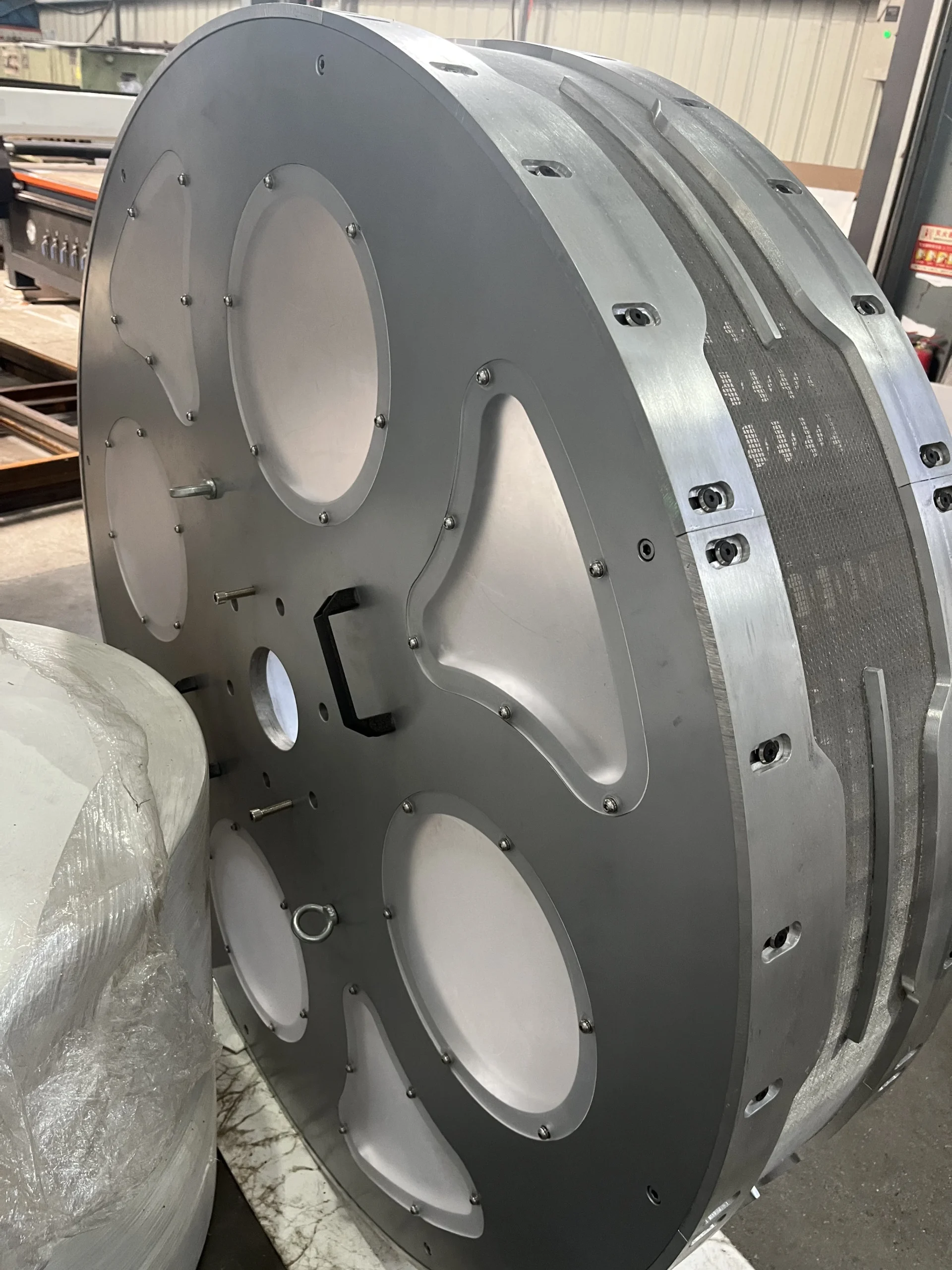
The packing and stacking constraint
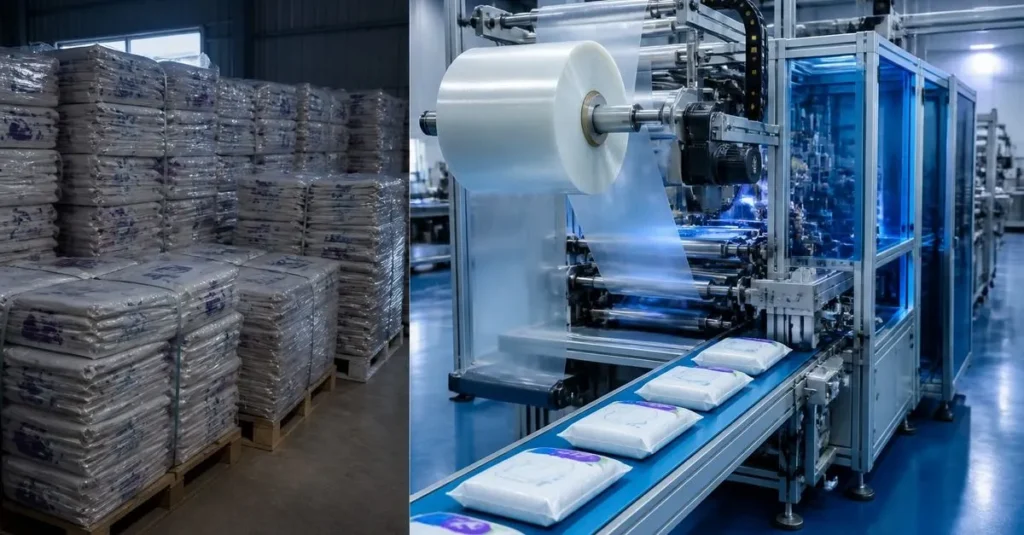
An adult line discharges folded and stacked product faster than most manual packing tables can wrap. The stacker, the bagging or wrapping step, and the palletizer are the first place a fast line outruns its support.
The real question is not which machine to add, but which downstream step breaks first. If the new line runs a stable 250 pcs/min and the packing side was built for 150, the extra 100 pieces a minute do not become output. They become a queue, then a stop, then a missed shipment. Size the packing with the same discipline as the machine.
Warehouse and finished goods flow
Two lines produce roughly twice the pallets. If the finished-goods staging was designed for one line's shift output, the second line fills it before the first break. Pallets get staged in aisles, forklifts wait, and the line eventually stops because there is nowhere to put the output.
Measure the finished flow in pallet positions per shift, not square metres. A line running 250 pcs/min fills a pallet faster than most owners expect, and two lines fill two pallets in half the time. The warehouse must be sized for the combined output before the second machine is ordered.
Quality and inspection capacity
A second line usually means a second SKU, and a new SKU has its own defect profile, its own seal and cuff checks, and its own first-article approval. The inspection bench that handled one product now handles two, and the time per check does not halve.
If inspection was already the slow step on the old line, the new line makes it the permanent constraint. Add inspection capacity in the same order as the line, and agree the pass-rate definition up front, as covered in the acceptance criteria for the line. A fast line with a slow inspection bench is a fast line that ships late.
Which line to add first
The order of expansion depends on which constraint you mapped, not on which product looks most attractive. An underpad line runs 600–800 pcs/min stable, far faster than a diaper line at 200–260 pcs/min. That speed is an advantage only if the packing, warehouse and inspection behind it can absorb it.
If the existing constraint is packing, adding the fastest line first just makes the queue longer. If the constraint is warehouse space, a lower-speed open-type line may be the better next step. The portfolio decision follows the constraint, not the other way around. Start from the product-line choice only after the downstream flow is sized.
Sequence the expansion without stopping production
In most cases, a factory adds the main line first and discovers the bottleneck after, then rushes to expand the packing or warehouse while the new line sits under-used. The sequence that avoids this is the reverse: widen the downstream constraint first, then bring the new line in.
That order feels slower because the machine is not ordered first, but it is faster to payback. A line that starts producing against a cleared constraint reaches full output in weeks, not months. Widen packing, warehouse and inspection to the target combined rate, then install the machine into a flow that is already ready for it.
Write the expansion as a phased plan
An expansion is a sequence, not a purchase. Write it as phases: map the constraint, widen the downstream step, order the machine, commission against the acceptance criteria, then repeat for the next product. Each phase has a measurable gate before the next one starts.
I believe the expansion should be sequenced around the constraint, not around the machine. The owners who scale fastest are not the ones who buy the most machines. They are the ones who know which step is the bottleneck before they spend, and who widen that step first.
Why Welldone
Welldone builds adult pull-up, open-type and underpad lines as turnkey projects, which means the machine, the downstream integration and the utility schedule come from one engineering team. That is the difference between adding a machine and adding capacity: the line is specified against the flow that receives it, not in isolation.
Full portfolio
Pull-up, open-type and underpad lines in one range, so the expansion sequence is a product decision, not a supplier change.
Configured to the flow
The line speed is matched to your packing, warehouse and inspection, not sold as a peak number.
Engineer support
Welldone can provide overseas engineer support for installation, commissioning and training.
Conclusion
Expansion fails when it is treated as a machine purchase instead of a flow change. The machine is the fast part. The bottleneck is almost always downstream, in the packing, the warehouse, the inspection or the shared material feed, and it is already near its ceiling before the new line arrives.
Before you order your next line, ask which step in your current flow is closest to its limit. If you cannot name it, the expansion will name it for you — after the machine is already installed.
FAQ
Should I widen the downstream steps or order the machine first?
Widen the downstream constraint first, then order the machine. A line installed into a flow that is already sized for it reaches full output in weeks; a line installed against a bottleneck sits under-used while you rush the packing and warehouse.
Which product should I add first when expanding?
Follow the constraint, not the product's speed. An underpad line runs 600–800 pcs/min stable and will only make a queue longer if your packing and warehouse cannot absorb it. See the product-line comparison before choosing, but size the downstream flow first.
How do I find the bottleneck before I expand?
Measure the throughput of packing, finished-goods storage, quality inspection and the shared raw material feed against their ceilings, then compare each to the new line's stable speed. The step closest to its ceiling is the constraint that decides the sequence.
Can Welldone help plan the expansion, not just supply the machine?
Yes. As a turnkey manufacturer, Welldone specifies the line against the downstream flow and the utility schedule, and can provide overseas engineer support for installation, commissioning and training. Contact the team with your current flow and target portfolio.
Scale the portfolio, not the bottleneck
Plan the expansion around your real constraint with a manufacturer that builds the full adult care range.
Talk to an engineer See adult care machinesWebsite: www.cnwelldone.com Email: welldone@cnwelldone.com