Sanitary Napkin Production Line Selection Guide | Welldone

Sanitary Pad vs Panty Liner vs Menstruation Pant: Which Female Care Line Should You Start With?
A buyer tells a supplier, "I want to make sanitary napkins." The supplier asks back: winged or straight? Ultra-thin or regular? Cotton top-sheet or dry mesh? What core weight? What pack format? The buyer pauses, because "sanitary napkin" felt like one product, and it turns out to be a family of them.
This guide walks the first decision of a feminine hygiene project: which female care line to start with, and why the answer comes from the product and the channel, not from the machine's rated speed.
Starting a Sanitary Napkin Manufacturing Business · Part 1
Part 1 — this article: the product decision.
Part 2: Define the product before requesting a quote.
Part 3: Full servo vs semi servo.
Part 4: Sanitary pad vs panty liner on one line.
Part 5: The absorbent core.
Part 6: Packing to match line speed.
Part 7: Upgrading and adding SKUs.
Part 1 — this article: the product decision.
Part 2: Define the product before requesting a quote.
Part 3: Full servo vs semi servo.
Part 4: Sanitary pad vs panty liner on one line.
Part 5: The absorbent core.
Part 6: Packing to match line speed.
Part 7: Upgrading and adding SKUs.
"Sanitary napkin" is a category, not a product
Actually, "sanitary napkin" is a category, not a product. Inside it sit winged pads and straight pads, ultra-thin and regular, cotton-feel and dry-mesh topsheet, in different core weights and pack counts. Each combination changes the machine, and no single line makes all of them equally well.
A pad with side wings needs a wing forming and folding station. An ultra-thin pad needs a different core forming path than a thick fluffy one. The buyer who starts by naming the machine, rather than the product, ends up negotiating against an average that fits no real product. Name the product first.
The three lines and what they actually make
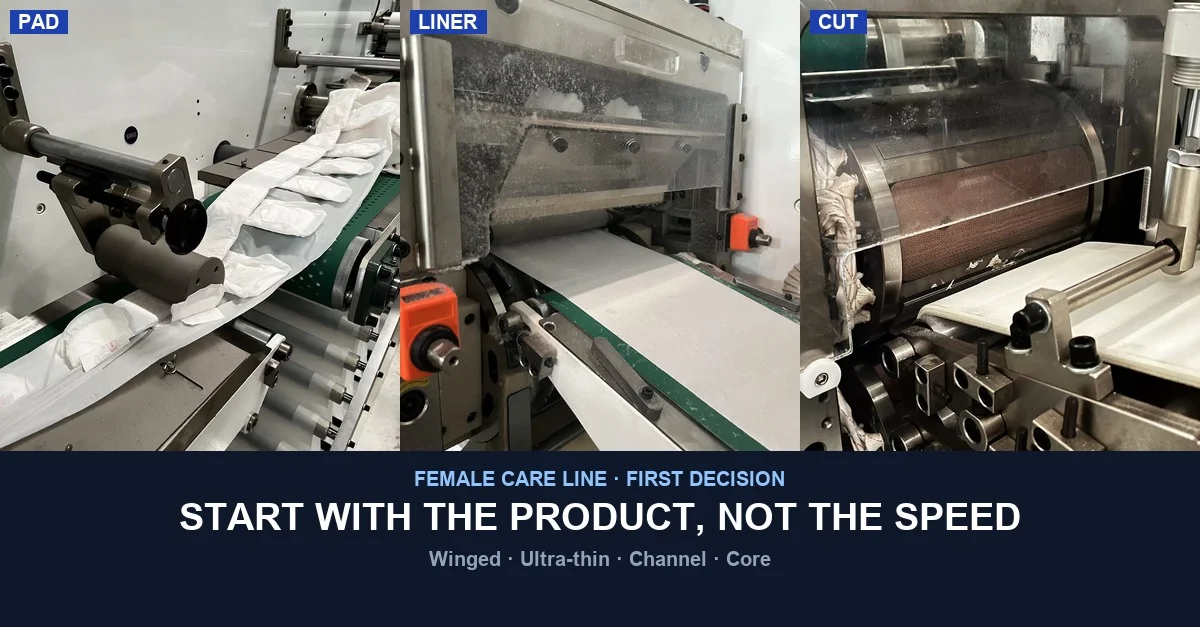
Welldone's female care range splits into three product lines, each built around a different finished product. The sanitary pad machine is a full-servo line producing standard and winged pads at up to 1200 pcs/min. The panty liner machine is a compact line for light-absorbency products. The menstruation pant machine is a different animal entirely — core forming, ultrasonic sealing and precise cutting for a body-fit pant.
These are not three sizes of the same machine. They are three product architectures. Choosing between them is a product decision, and it should be made before the quotation, not after.
Start from the use case and the channel
The real question is not which machine is fastest, but which product your channel will actually buy. A pharmacy chain and a dollar-store distributor buy different products. The chain wants a branded, ultra-thin, winged pad in retail multipacks. The distributor wants a low-cost straight pad in bulk bags. They lead to two different lines.
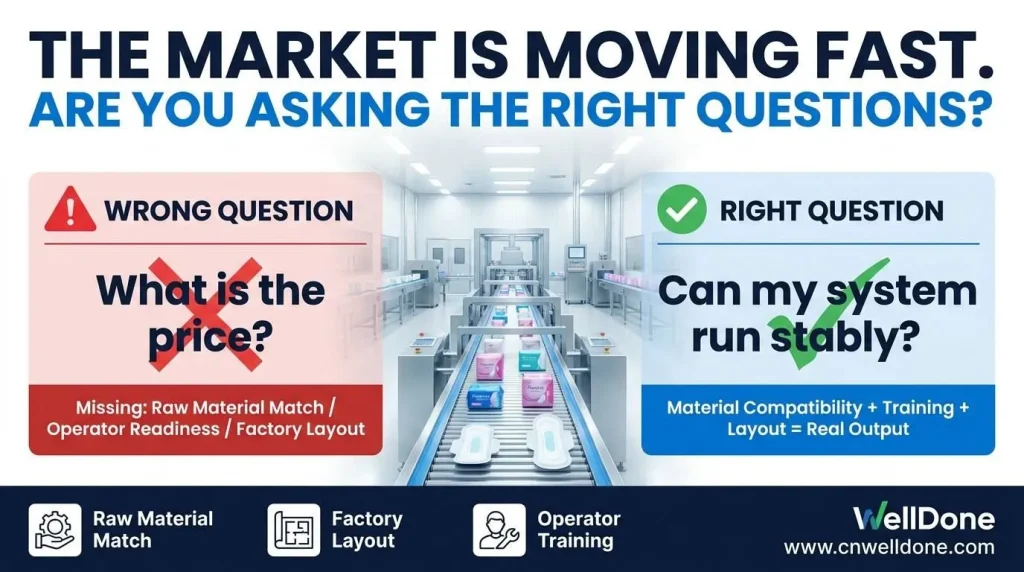
Write down the target user, the pack format and the price point before you look at a machine. Those three answers do more to select the line than any speed number, because the line is built to make a specific finished product, not a generic one.
Speed is not the same across the three lines
The three drive systems carry three different speed bands. A full-servo line runs a design speed of 1200 pcs/min and holds a stable 1000 pcs/min; a semi-servo line runs 1000 design against 850–900 stable; a mechanical line runs 800 design against 700–750 stable. The band you need is set by the product tier, not by the highest number on the sheet.
In most cases, a buyer starts from the machine speed and works backwards to the product. That is the wrong direction. A premium winged pad justifies a full-servo line at 1000 pcs/min stable; an entry-level straight pad for a local market is better served by a mechanical line at 700–750. Match the speed to the product, and the investment matches the return.
Winged vs straight: the structure that changes the machine
A side wing is a small flap, but it adds a wing-forming and folding station and changes the cutting mold. Welldone's mold customization covers T-type, wing-type and closed-core designs, because each shape needs a different mold set and a different forming path.
If the target product is winged, the line must carry the wing station from day one. A buyer who plans to launch straight pads and add wings later is really planning a second line, not a minor upgrade. Decide the wing before the mold, not after.
Ultra-thin vs regular: the core decision
The difference between an ultra-thin pad and a regular pad is the core. Ultra-thin relies on more super-absorbent polymer relative to fluff pulp, so the core forms thinner and the machine doses SAP more precisely. A regular pad carries more fluff for a thicker, softer profile.
This is not a preference the buyer writes down at the end. It is the decision that sets the core forming path and the SAP dosing station. The same full-servo line can make both, but it is optimised around one. Choose the core profile before the machine, because it is the most expensive part of the line to change later.
Panty liner as a second product, not a first line
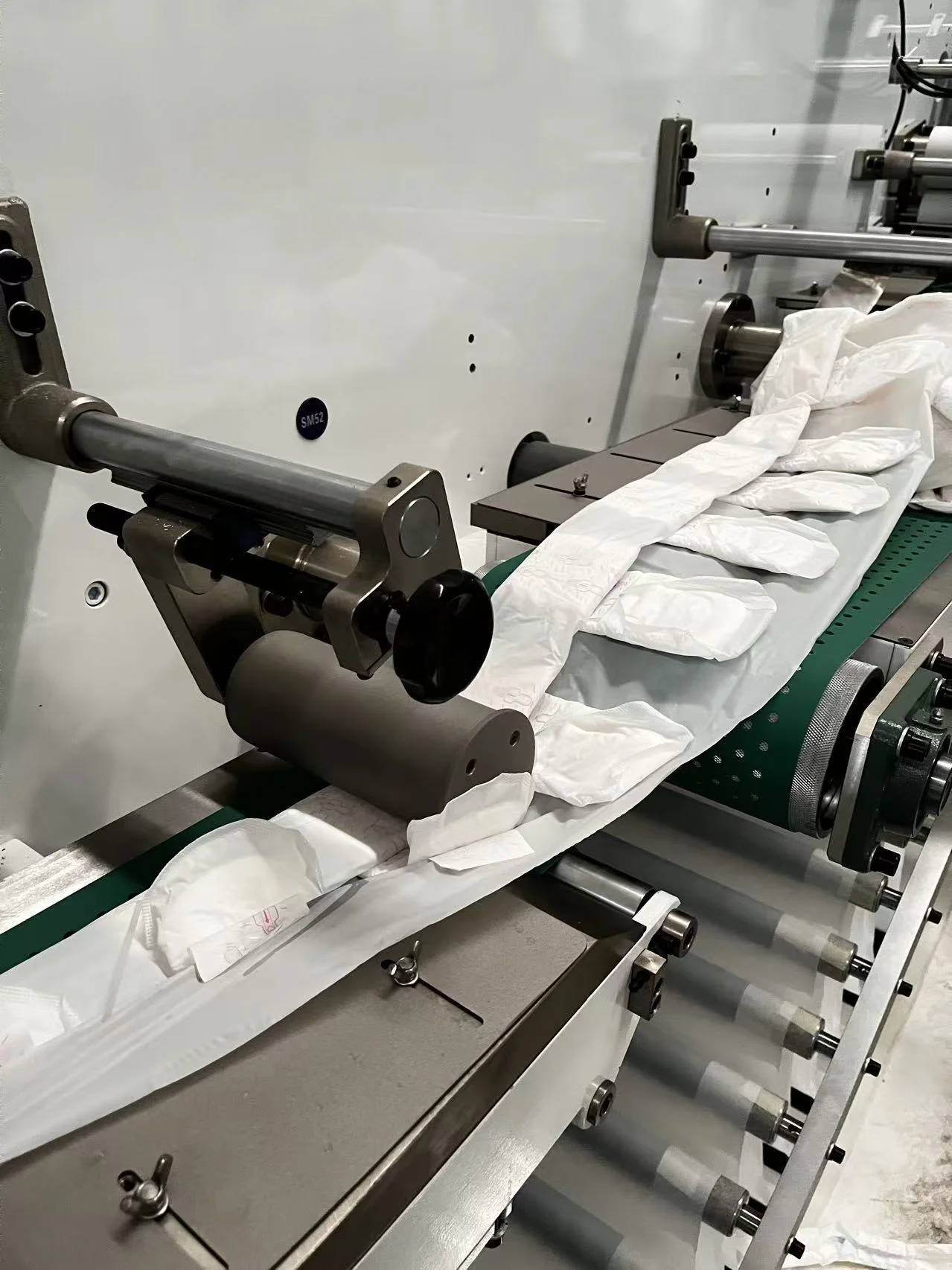
A panty liner is a light-absorbency product with a thin core and no wing. It shares most of the machine architecture with a sanitary pad, which is why a liner is a natural second product to add once a pad line is running. It is a weaker choice as the first line, because the volume and margin sit lower than a full pad.
If the target is light-absorbency products from the start, a compact panty liner machine makes sense. If the target is a mainstream pad, treat the liner as the SKU you add after the pad line is proven, not the product you launch with.
Menstruation pant is a different product, not a bigger pad
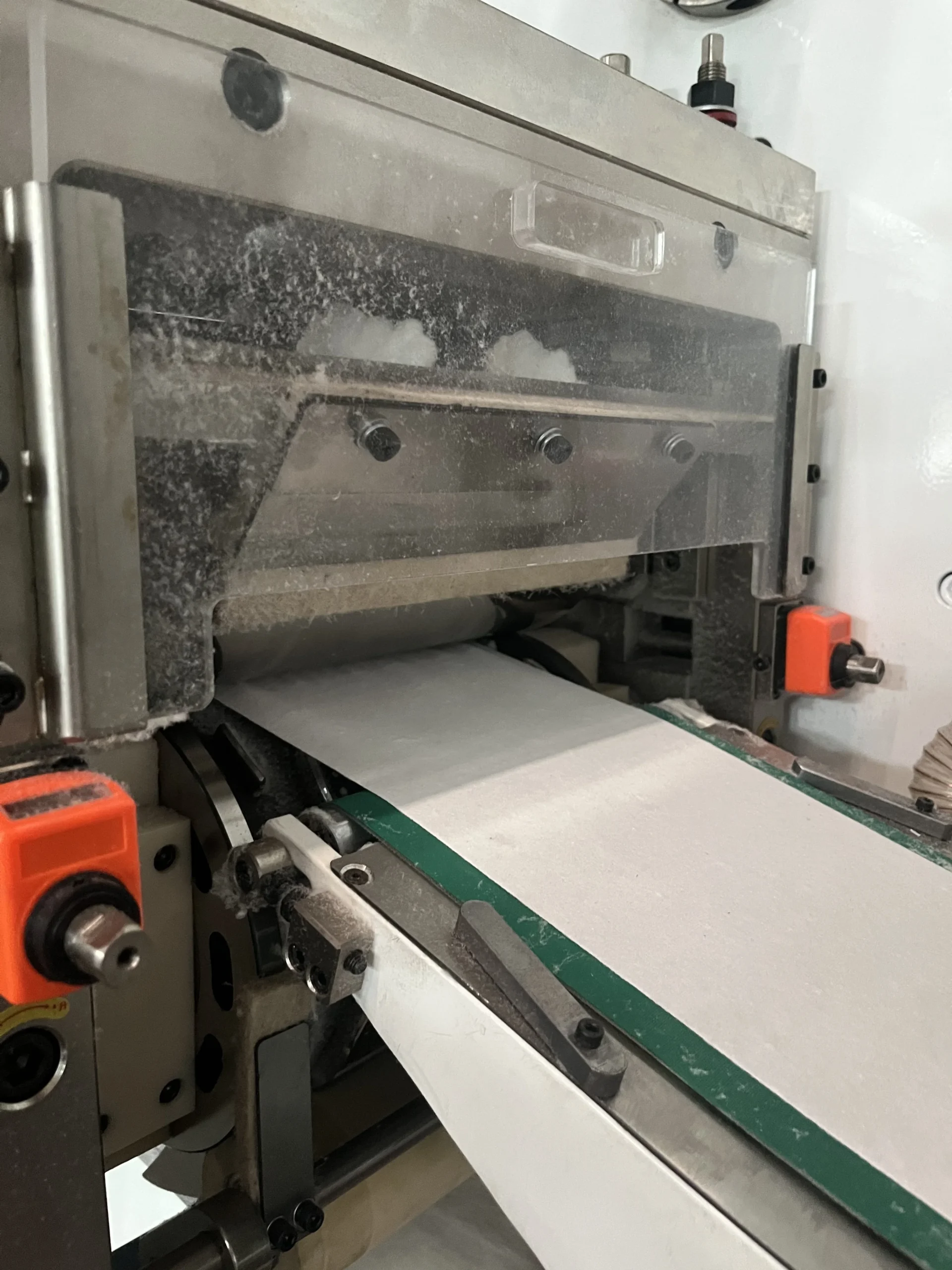
A menstruation pant is not a large sanitary pad. It is a body-fit pant with core forming, ultrasonic sealing and precise cutting. The elastic, the sealing and the fit make it a separate architecture with a separate menstruation pant machine.
A pad buyer should not expect to add menstruation pants to a pad line as a simple changeover. The two products share raw materials but not the forming and sealing stations. If the pant is the target, start with the pant line; if the pad is the target, treat the pant as a later, separate investment.
Which line to start with
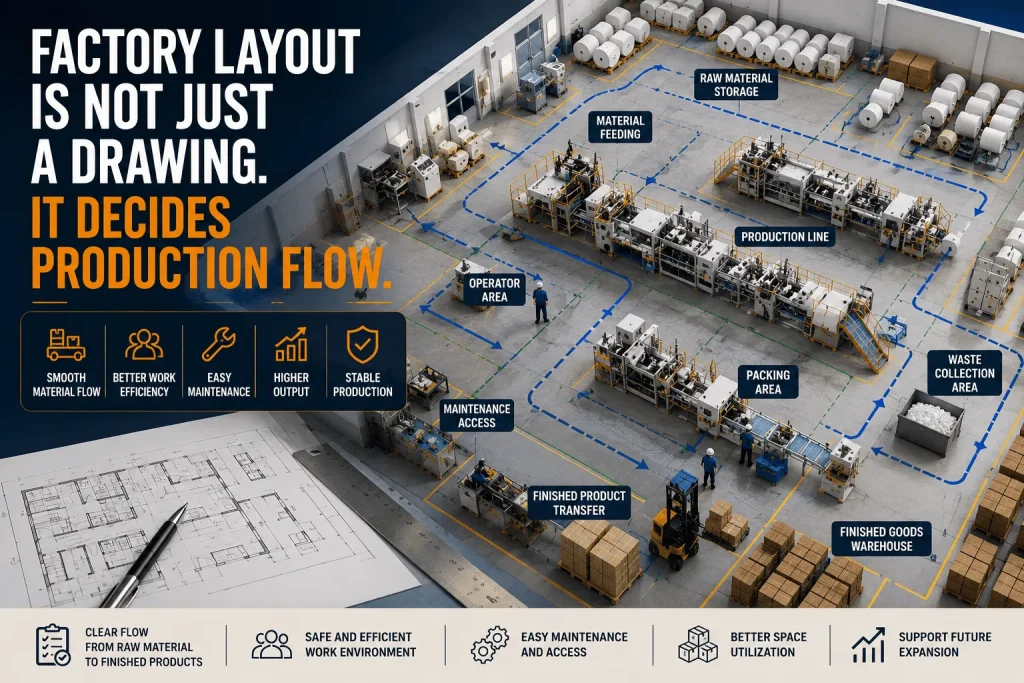
I believe the first line should follow the product, not the machine. Write the finished product down — winged or straight, ultra-thin or regular, the core profile, the pack format and the channel — and the line selects itself. A premium winged ultra-thin pad points to a full-servo line. A standard straight pad points to a semi-servo line. A bulk, local-market product points to a mechanical line.
The buyer who names the product first gets a line that fits. The buyer who names a speed first gets a line that runs fast and makes the wrong product. This is the first decision of the whole project, and everything else — specification, configuration, core, packing — follows from it.
Why Welldone
Welldone builds the full female care range — sanitary pads, panty liners and menstruation pants — with full-servo, semi-servo and mechanical drive options, and provides mold customization for T-type, wing-type and closed-core designs. The line is specified against your finished product, not against a catalogue average.
Full product range
Pads, liners and pants in one range, so the first-line decision is a product choice, not a supplier change.
Configured to the product
Speed, mold and core forming are matched to the finished product you actually sell.
Engineer support
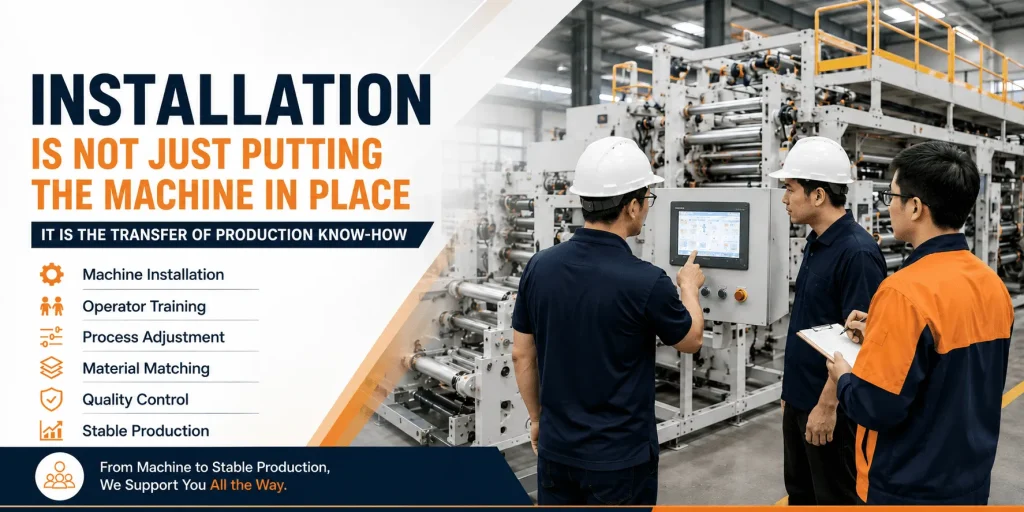
Welldone can provide overseas engineer support for installation, commissioning and training.
Conclusion
The first decision in a feminine hygiene project is not which machine to buy. It is which finished product to make. The product — its wings, its core, its pack format and its channel — selects the line, the drive system and the speed band, and every later decision follows.
Before you request a quotation, write one sentence that names your product completely. If you cannot finish the sentence, you are not ready to buy a machine; you are ready to define one.
FAQ
What is the difference between a sanitary pad machine and a panty liner machine?
A sanitary pad machine produces full-absorbency standard and winged pads, up to 1200 pcs/min on a full-servo line. A panty liner machine is a compact line for light-absorbency, thin-core products. They share architecture, so a liner is a natural second SKU after a pad line.
Can one line make both winged and straight pads?
The two need different cutting molds and the winged pad needs a wing-forming and folding station. Welldone supports T-type, wing-type and closed-core mold customization, but a line is optimised around one product structure, so decide the wing before the mold.
Is a menstruation pant just a larger sanitary pad?
No. A menstruation pant is a body-fit pant with core forming, ultrasonic sealing and precise cutting, built on a separate menstruation pant machine. It shares raw materials with pads but not the forming and sealing stations.
Which drive system should a first-time buyer choose?
Follow the product tier. A premium winged ultra-thin pad suits a full-servo line at a stable 1000 pcs/min. A standard pad suits a semi-servo line at 850–900 pcs/min stable. An entry-level straight pad for a local market suits a mechanical line at 700–750 pcs/min. See the female care machines page for the full figures.
Start with the product, not the machine
Tell us the finished pad, liner or pant you want to make, and we will match the line to it.
Talk to an engineer See female care machinesWebsite: www.cnwelldone.com Email: welldone@cnwelldone.com