How to Start a Feminine Care Factory Step by Step (Beginner-Friendly Guide for 2026)

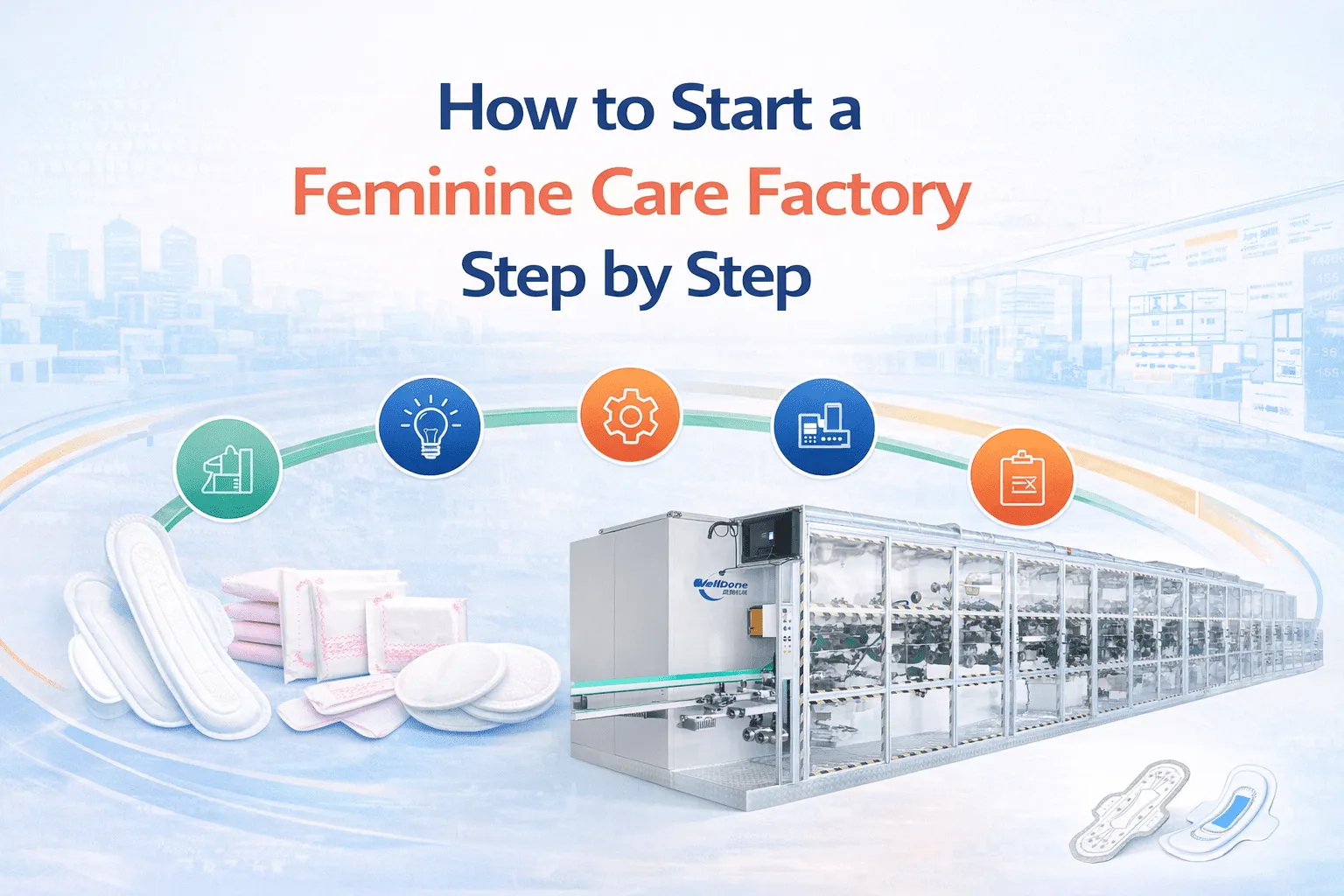
Table of Contents
- Why More Investors Are Entering the Feminine Care Industry
- Step 1: Define Your Product & Target Market
- Step 2: Choose the Right Production Line (Key Investment Decision)
- Step 3: Factory Layout Planning (Avoid Costly Mistakes)
- Step 4: Raw Materials: The Hidden Factor Behind Product Quality
- Step 5: Installation, Training & Trial Production
- Step 6: Sales Channels & Market Entry Strategy
- Real Case: How a New Investor Started from Zero
- Common Mistakes Beginners Make
- FAQ
- Related Machines
How to Start a Feminine Care Factory Step by Step (Beginner-Friendly Guide for 2026)
If you’re thinking about starting a feminine care factory, you’re not alone.
In recent years, more and more investors—from Southeast Asia to Africa and the Middle East—are entering this industry. The reason is simple:
👉 Stable demand + repeat consumption + scalable business model
But here’s the reality:
Many new investors fail—not because of the market, but because they don’t understand how to start correctly.
This guide will walk you through the exact step-by-step process, especially if you’re completely new to the hygiene manufacturing industry.
Why More Investors Are Entering the Feminine Care Industry
Feminine hygiene products are no longer optional—they are essential.
Key drivers behind the market growth:
- Rising awareness of women’s health
- Government programs supporting sanitary products
- Growth of local brands replacing imports
- Expanding e-commerce distribution
For new investors, this creates a major opportunity:
👉 Build a local factory and reduce dependency on imports
Step 1: Define Your Product & Target Market
Before buying any machine, ask yourself:
👉 What exactly do you want to produce?
Common entry-level products:
- Sanitary napkins
- Panty liners
- Breast pads
- Underarm pads
Each product has different:
- Structure
- Production speed
- Material requirements
- Profit margins
💡 Beginner tip:
Most new factories start with:
👉 Panty liners or standard sanitary pads
Why?
- Lower technical complexity
- Easier market entry
- Stable demand
Step 2: Choose the Right Production Line (Key Investment Decision)
This is the most important step.
Your machine determines:
- Production capacity
- Product quality
- Long-term profitability
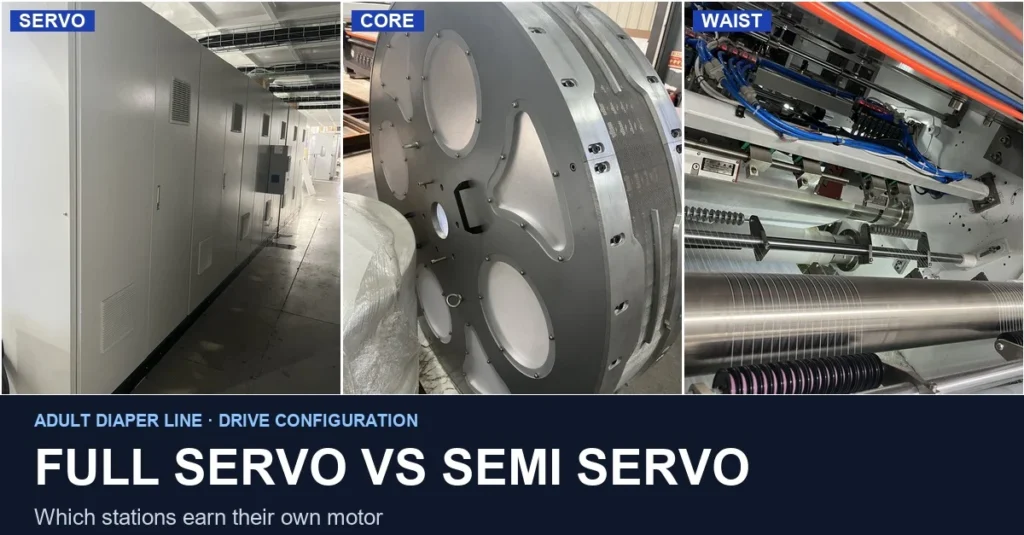
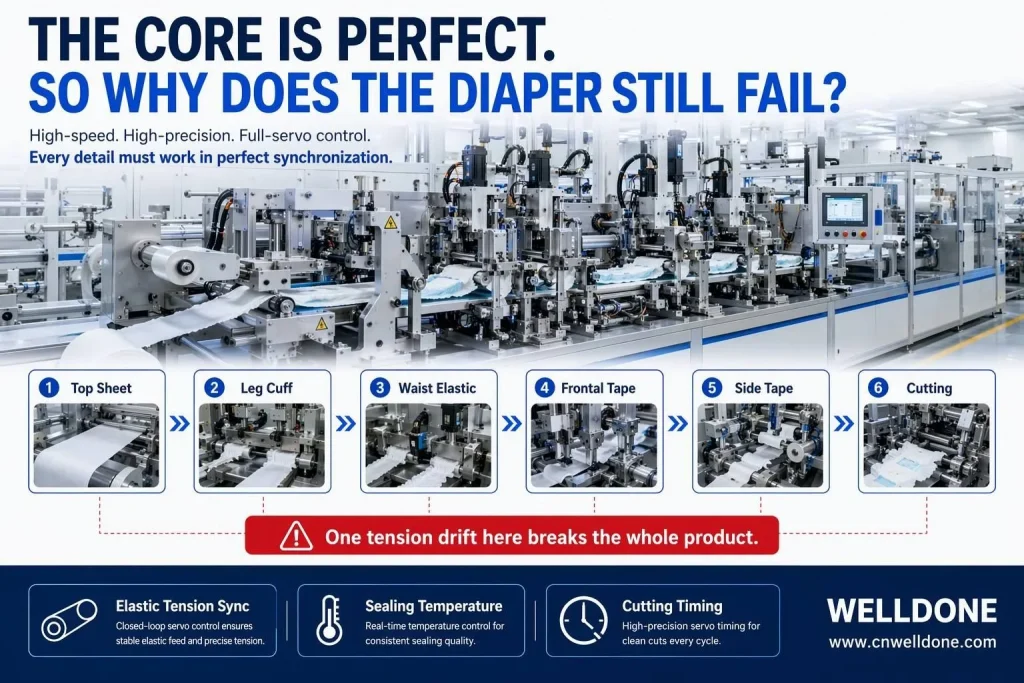
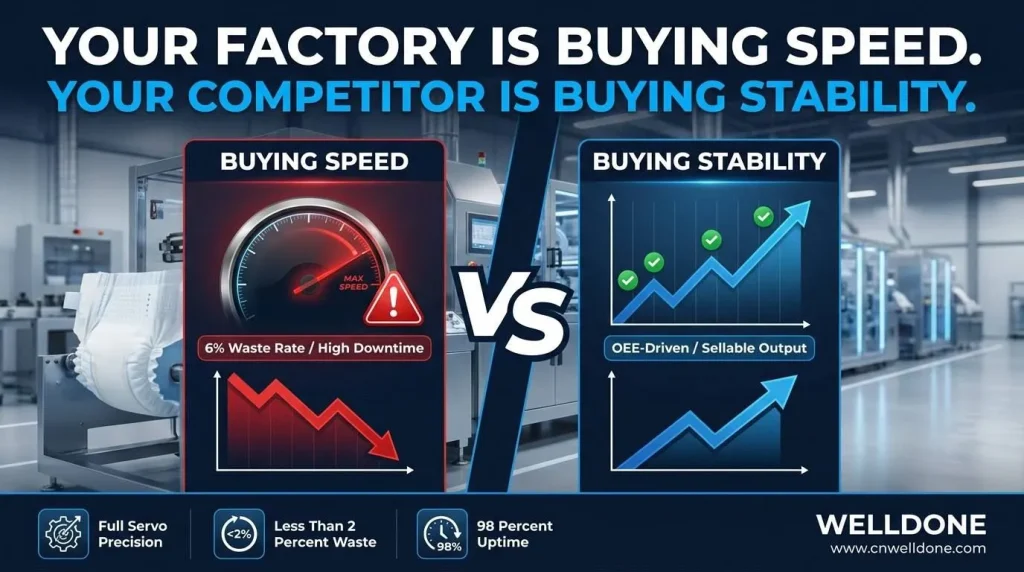
Modern factories are shifting to full servo production lines, because they offer:
- High speed (800–1200 pcs/min)
- Stable operation (≥98% efficiency)
- Easy size adjustment
- Real-time monitoring
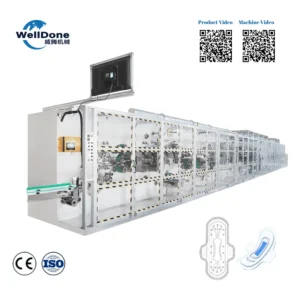
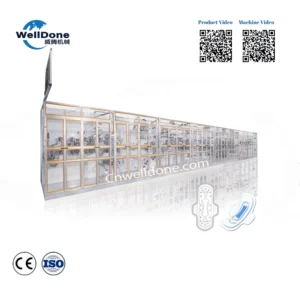
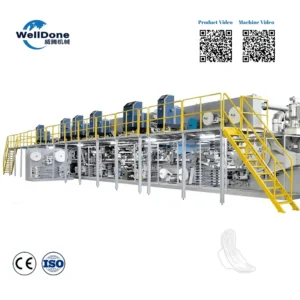
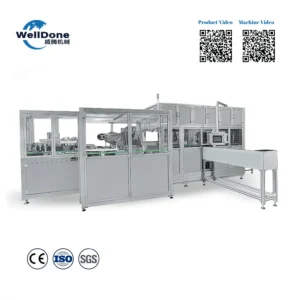
Many first-time investors usually compare different production solutions before making a decision, especially when evaluating complete configurations across various feminine care machine setups available in the market.
💡 Reality check:
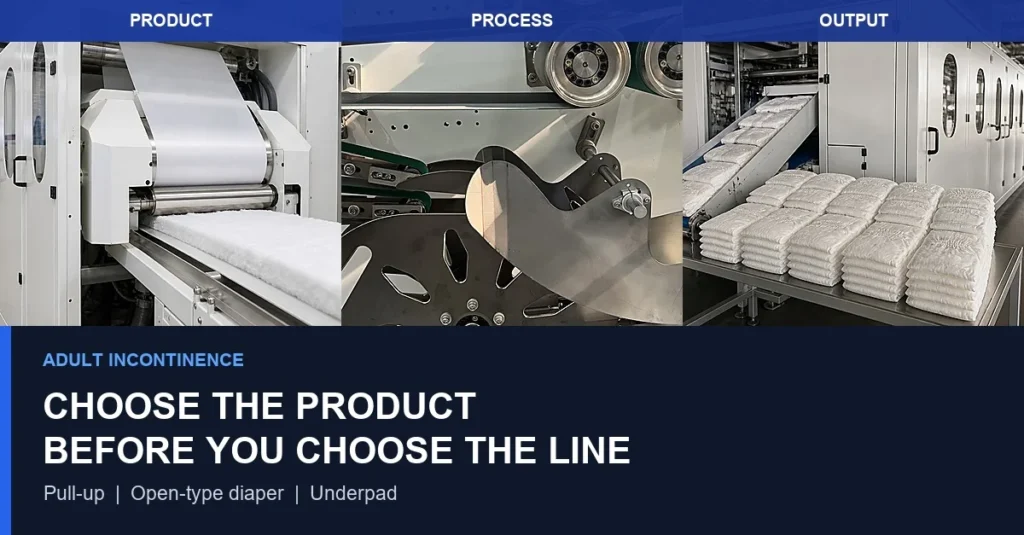
A complete production line is not just one machine. It includes:
- Main machine
- Packing machine
- Material feeding system
- Quality inspection system
Step 3: Factory Layout Planning (Avoid Costly Mistakes)
This is where many beginners lose money.
A typical production line requires:
- 800–1000㎡ production space
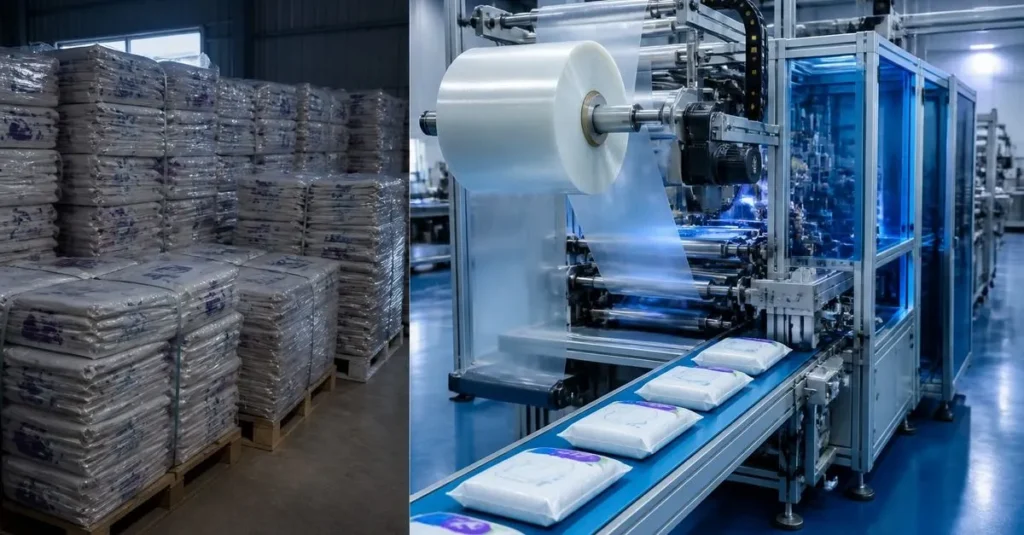
- Raw material storage area
- Finished product warehouse
- Operator space & maintenance area
❌ Common mistake:
Buying machines first, then realizing the factory is too small.
✔ Correct approach:
- Plan layout before purchasing
- Ensure smooth material flow
- Separate clean & storage areas
💡 Experienced suppliers will help you:
👉 Design a full factory layout based on your space and capacity
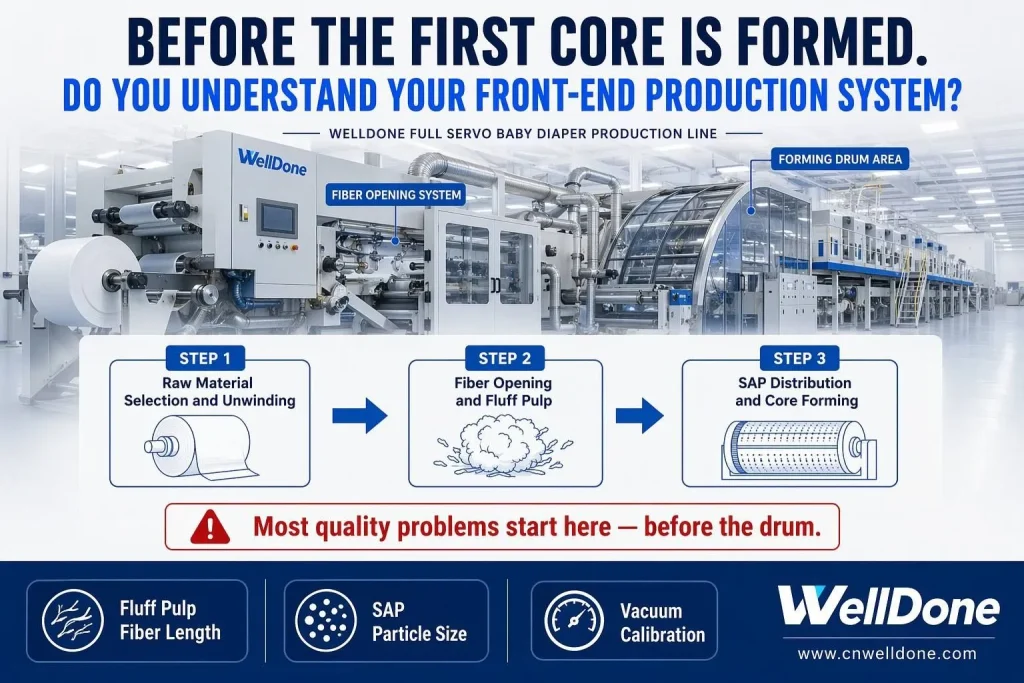
Step 4: Raw Materials: The Hidden Factor Behind Product Quality
Many beginners focus only on machines.
But in reality:
👉 Materials decide your product quality
Core materials include:
- Nonwoven fabric
- SAP (super absorbent polymer)
- PE film / breathable film
- Hot melt adhesive
Poor material =
❌ Leakage issues
❌ Low absorption
❌ Customer complaints
💡 Smart investors always:
👉 Choose suppliers who can provide machines + materials together
This reduces:
- Trial costs
- Production instability
- Time wasted on testing
Step 5: Installation, Training & Trial Production
Once machines arrive, you enter the critical startup phase.
A professional setup includes:
- On-site engineer installation
- Operator training
- Machine calibration
- Trial production
During this phase, you will:
- Test different materials
- Adjust machine parameters
- Optimize product structure
💡 With proper support, most factories can:
👉 Start stable production within 7–15 days
Step 6: Sales Channels & Market Entry Strategy
Production alone doesn’t make money.
👉 Sales does.
For beginners, the safest strategy is:
Phase 1: OEM production
- Supply local brands
- Focus on stable orders
Phase 2: Build your own brand
- Enter supermarkets
- Work with distributors
Phase 3: Expand channels
- E-commerce
- Government tenders
💡 Focus on:
👉 One region first, then expand
Real Case: How a New Investor Started from Zero
A client from Africa approached us with:
- No factory experience
- No technical team
- Limited understanding of machines
Step by step, we helped them:
- Choose the right product (sanitary pads)
- Design a 900㎡ factory layout
- Provide full servo production line
- Supply raw materials
- Send engineers for installation
👉 Result:
- Production started in 12 days
- Stable output within 1 month
- Successfully entered local market
Common Mistakes Beginners Make
If you’re new, avoid these:
❌ Choosing low-cost but unstable machines
❌ Ignoring factory layout planning
❌ Buying materials from multiple unreliable suppliers
❌ No technical training for operators
❌ Overestimating initial demand
👉 The safest way:
Work with a one-stop solution provider
FAQ
1. How much does it cost to start a feminine care factory?
A complete setup typically starts from:
👉 USD 1,000,000+
2. How long does it take to start production?
- Machine delivery: 60–120 days
- Installation: 7–15 days
3. Is full servo machine necessary?
Yes. It ensures:
- Higher efficiency
- Lower waste
- Better product consistency
4. Can beginners really start this business?
Yes—if you have:
- The right supplier
- Proper guidance
- A clear market strategy
5. What is the best product for beginners?
👉 Panty liners & standard sanitary pads
Related Machines
If you’re planning your factory, these machines are typically included:
- Full Servo Sanitary Napkin Machine
- Panty Liner Machine
- Breast Pad Making Machine
- Underarm Pad Machine
- Automatic Packing Machine
Most investors start by combining production and packaging solutions to ensure a complete and efficient workflow from raw materials to finished products.
Keywords
feminine care factory setup, sanitary napkin machine, panty liner production line, hygiene production line, diaper manufacturing business
Product Tags
feminine care machine, sanitary pad machine, panty liner machine, hygiene production line, full servo machine
📩 Start Your Feminine Care Factory Today
If you’re planning to enter the hygiene industry but don’t know where to start, we can help you with:
✔ Machine selection
✔ Factory layout design
✔ Raw material planning
✔ Installation & training
👉 One-stop solution from idea to production